
13 Common Boiler Problems and Fixes for Homeowners (2025)
Boilers provide warmth and hot water essential for daily life. However, they can sometimes encounter problems that disrupt their functionality. This guide walks you through common boiler problems, their causes, and practical solutions to keep your heating system running smoothly.
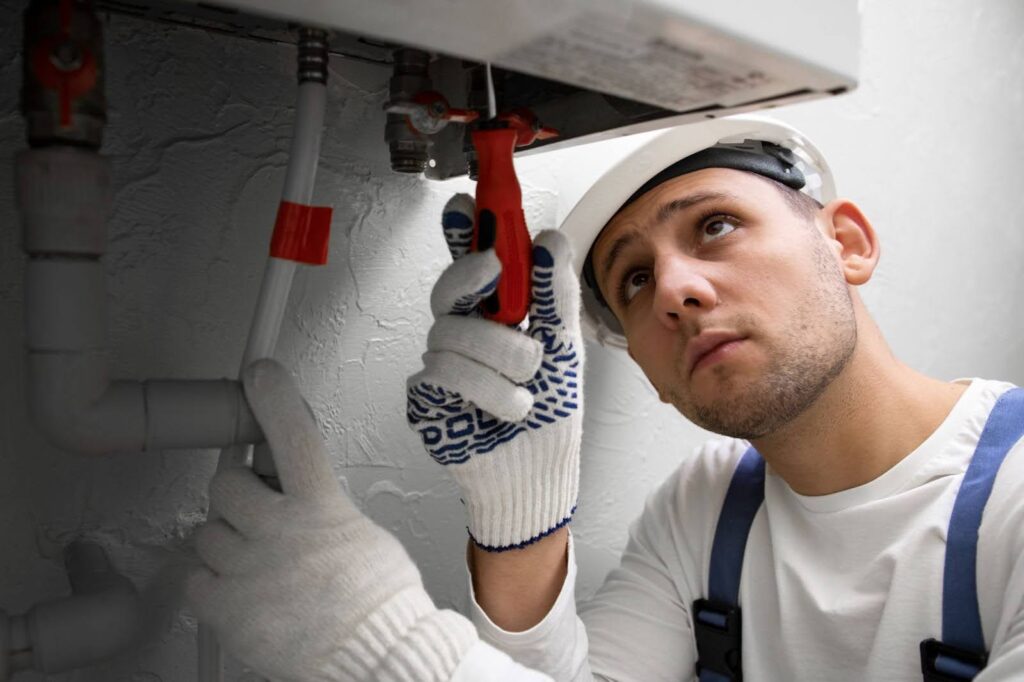
A boiler breakdown can be inconvenient, especially during colder months. Understanding the most common issues and how to address them can save you time, money, and stress. While some fixes are straightforward, others may require a qualified professional.
1) Boiler Not Heating Water
Boilers are designed to provide a steady supply of hot water, but sometimes they fail to do so.
Possible Causes:
- Faulty thermostat settings can prevent the boiler from reaching the desired temperature.
- A broken diaphragm or airlock in the system may disrupt water flow.
- Sediment build-up in the heat exchanger can restrict the transfer of heat.
- Lack of maintenance.
Solution:
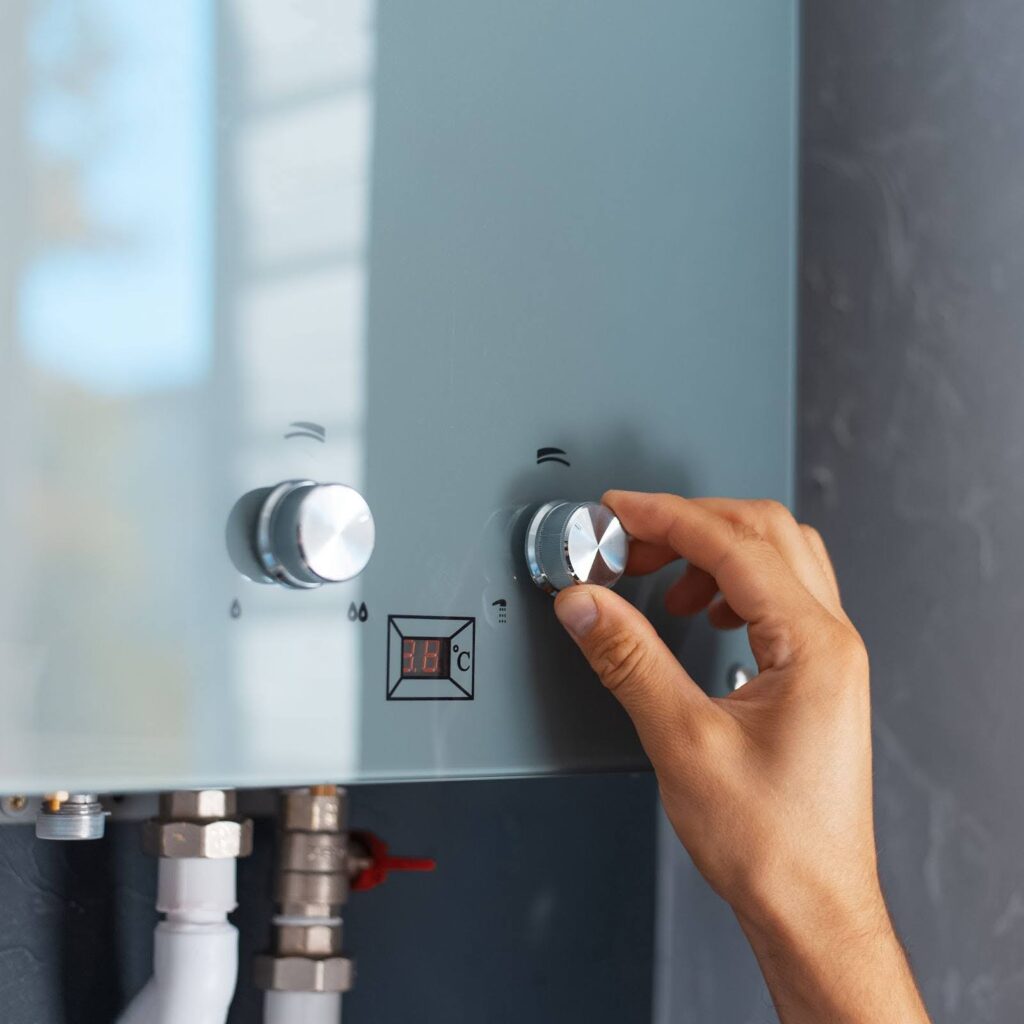
- Start by checking and adjusting the thermostat settings to ensure they are correct.
- Inspect the pilot light or ignition system and relight if necessary. Refer to the manufacturer’s manual for guidance.
- If you suspect that internal components are damaged, contact us on 0161 888 0970.
- Ensure that your boiler and heating system are well maintained and tuned to your requirements by heating industry professionals.
2) Low Boiler Pressure
A boiler requires the correct pressure to function efficiently. Low pressure can result in no heating or hot water.
Symptoms:
- Your heating/hot water may not work as expected.
- The pressure gauge will typically read below 1 bar.
Solution:
- Locate the pressure gauge on the boiler to check the current level.
- Use the filling loop to top up the system to the recommended pressure, which is usually between 1 and 1.5 bar.
- Ensure all valves are closed tightly after refilling to prevent leaks.
NOTE: Although “low pressure” faults are usually resolved easily, a frequent “low pressure” fault could indicate an underlying issue with either, the water quality or internal boiler components. If issues persist, don’t hesitate to call us on 0161 888 0970.
3) Pilot Light Goes Out
The pilot light is essential for igniting the burner in older boiler models.
Common Causes:
- Draughts may extinguish the flame.
- A faulty thermocouple could interrupt the gas supply.
- Issues with the gas supply itself.
Solution:
- Check for gas supply issues and ensure the gas stopcock is open.
- Carefully relight the pilot light following the manufacturer’s instructions.
- Replace a faulty thermocouple if it’s causing the issue.
- Ensure that your gas appliances are thoroughly checked by heating industry professionals every 12 months during your Homeowners/Landlords gas safety check.
4) Boiler Leaks
Leaks are a common issue that can stem from various parts of the boiler.
Potential Reasons:
- Corrosion within the boiler system.
- Faulty pressure relief valves or worn-out seals.
- Loose pipe connections.
Solution:
- Tighten any loose connections and replace seals if necessary.
- Address corrosion by consulting a professional, as this might require replacing parts.
- Avoid using the boiler until the issue is resolved to prevent further damage.
NOTE: Leaks inside boilers can cause very expansive issues if not handled correctly due to the amount of electrical connections and circuit boards inside boilers. Do not remove the boiler case yourself. Always consult a professional, and don’t hesitate to call us on 0161 888 0970.
5) Frozen Condensate Pipe
In colder months, the condensate pipe, which removes waste water, can freeze and block.
Why It Happens:
- Low outdoor temperatures can freeze the water inside the pipe, causing a blockage.
How to Fix:
- Pour warm (not boiling) water over the pipe to thaw the ice gently.
- Alternatively, use a hot water bottle or a heat pack.
Prevention:
- Insulate the pipe with lagging material to protect it from freezing temperatures.
- Ensure the pipe is installed at an appropriate angle to allow proper drainage.
- Consider employing a professional to upgrade your condensate pipework. Larger diameter pipes significantly reduce the risk of freezing.
6) Strange Noises from the Boiler
Unusual noises can be a sign of underlying issues.
Types of Noises:
- Banging or kettling may occur due to limescale or sludge build-up inside the boiler.
- Hissing noises could indicate trapped air within the system.
Solution:
- Bleed the radiators to release any trapped air.
- Use a descaling solution or contact a professional to remove limescale build-up.
- Check the boiler pressure and refill if it’s low.
- If the noises persist, turn off the boiler and contact a heating industry professional immediately.
NOTE: We have experienced engineers available 24 hours/day, 7 days/week. If your boiler is making unusual noises, turn off your boiler and call us on 0161 888 0970.
7) Radiators Not Heating Fully
Cold spots on radiators can reduce their efficiency.
Common Causes:
- Trapped air prevents heat from circulating properly.
- Sludge or debris build-up in the system can block water flow.
Solution:
- Bleed the radiators to remove trapped air. Use a radiator key to open the valve until water flows steadily.
- Balance the system by adjusting the radiator valves to ensure even heating.
- Consider a power/chemical flush to remove sludge and debris from the system.
8) Boiler Keeps Switching Off
Frequent shutdowns can be disruptive and often indicate an issue.
Potential Issues:
- Low water pressure.
- Malfunctioning thermostat.
- Blockages in the system.
Solution:
- Check the pressure gauge and top up the system if necessary.
- Inspect the thermostat and replace it if it’s faulty.
- Call a heating engineer to identify and clear blockages.
9) Boiler Won’t Ignite
If the boiler fails to ignite, it can leave you without heating or hot water.
Reasons:
- Electrical supply interruptions.
- Faulty ignition components.
- Gas supply issues.
Solution:
- Reset the boiler using the instructions in the manufacturer’s manual.
- Employ a professional to ensure all gas and electrical connections are secure and functioning correctly.
10) Timer or Programmer Issues
Timers and programmers control when your boiler operates. If they malfunction, your boiler may not turn on as scheduled.
Fixes:
- Reset the timer or programmer to ensure it’s correctly configured.
- Employ a heating industry professional to replace the unit if it frequently malfunctions or fails to respond.
NOTE: Our emergency service means that we have engineers available 24/7. If your thermostat needs to be replaced, one of our engineers will be able to “link out” the thermostat as a temporary measure to ensure that you do not go without heat! Call our emergency line on 07990742379.
11) Boiler Overheating
An overheating boiler can shut down as a safety measure.
Why It Happens:
- Pump failure prevents water from circulating, causing the boiler to overheat.
- Limescale build-up in the heat exchanger.
Solution:
- Install a scale reducer to minimise limescale accumulation.
- Replace the pump if it’s faulty or not functioning efficiently.
- Employ a heating industry professional to inspect the water quality and successfully diagnose the issue.
<h2> 12) Water Temperature Fluctuations
Inconsistent water temperatures can make showers and taps uncomfortable to use.
Causes:
- A faulty NTC sensor may struggle to regulate temperature.
- Sediment or debris in the heat exchanger disrupts heat transfer.
Solution:
- Flush the system to remove sediment and debris.
- Replace the temperature sensors if it’s no longer accurate.
NOTE: Boiler repairs must be carried out by a Gas Safe registered heating industry professional. Do not attempt to remove your boiler case or replace any boiler parts. If you require one of our experienced engineers, call us now on 0161 888 0970.
13) Boiler Display Panel Errors
Modern boilers often feature a display panel that shows error codes when something is wrong.
Why It Happens:
- Electrical faults or software issues in the control panel.
- A specific component in the system may have failed.
Solution:
- Consult the boiler manual to decode the error message and identify the issue.
- Reset the boiler to clear minor errors and restore normal operation.
- For persistent errors, contact a Gas Safe engineer to inspect and resolve the problem.
UK Gas’s General Maintenance Tips for Homeowners
- Check Boiler Pressure Regularly: Maintain it between 1 and 1.5 bar to ensure optimal performance.
- Bleed Radiators Annually: Prevent trapped air from affecting efficiency.
- Schedule Annual Services: Ensure a Gas Safe registered engineer inspects your boiler for safety and efficiency.
- Keep the Condensate Pipe Insulated: Protect it from freezing during winter.
Monitor for Leaks or Noises: Address issues early to avoid costly repairs.