
Troubleshooting Low Boiler Pressure: Causes and Solutions
Low boiler pressure is a common issue that can affect the efficiency and performance of your heating system, potentially leaving your home cold and your water lukewarm. Understanding the causes of low boiler pressure and knowing how to fix them can save time, money and discomfort. In this guide, we’ll walk you through the most common reasons behind low boiler pressure and offer practical solutions to get your heating system back on track.
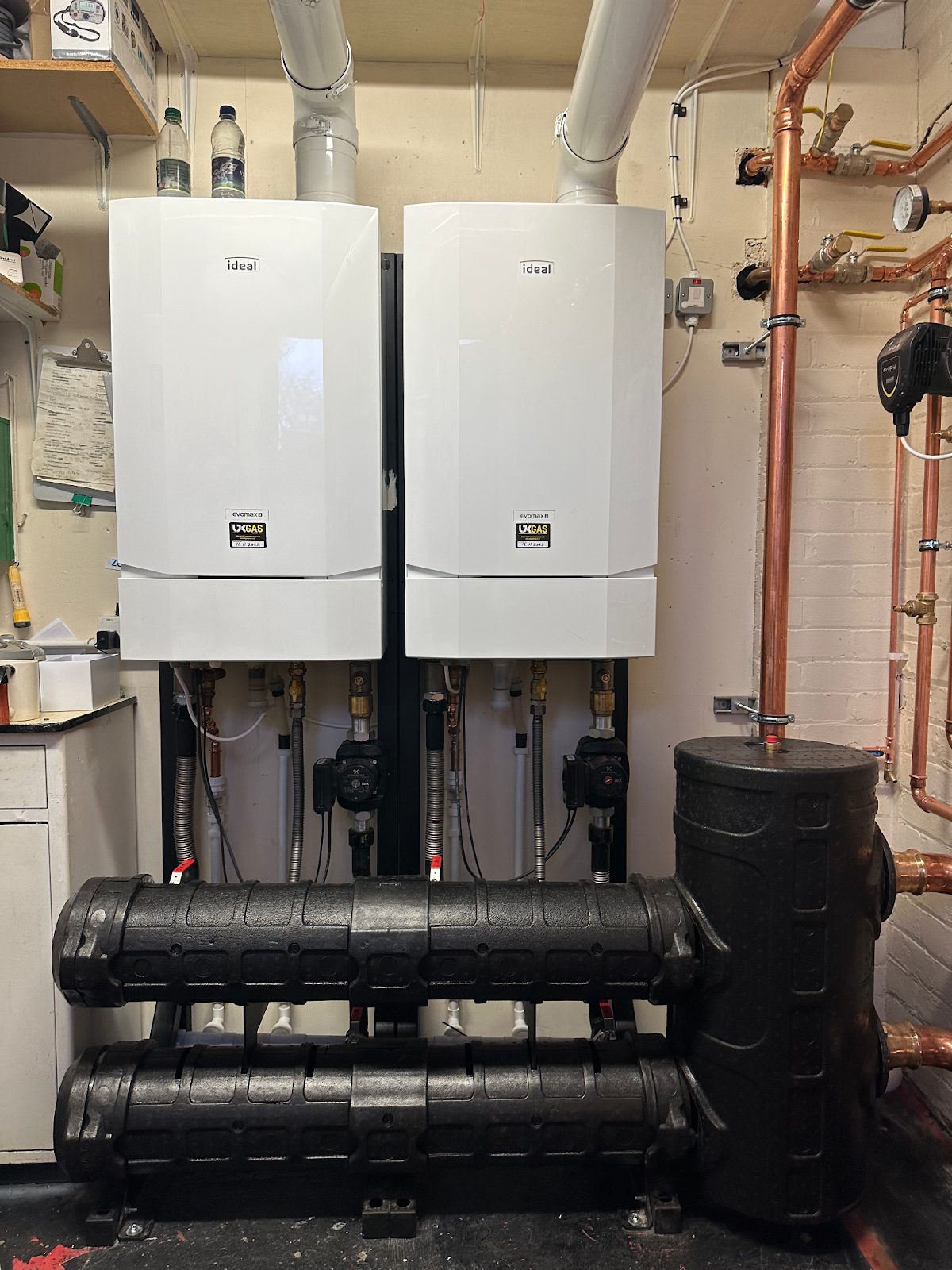
Common Causes of Low Boiler Pressure
- Leaks in the System: One of the most frequent causes of low boiler pressure is a leak in the central heating system. Even small leaks can gradually reduce pressure over time. Check for damp patches around radiators, pipes and boiler connections. If you suspect a hidden leak, look out for mould, musty odours, or discoloured walls and ceilings. Addressing leaks promptly prevents further damage and maintains system efficiency.
- Bleeding Radiators: Bleeding radiators remove trapped air, improving heating efficiency, but it can also lower system pressure. After bleeding your radiators, always check the pressure gauge and top up if necessary. Regular bleeding is essential to ensure your radiators heat up evenly, especially during colder months.
- Faulty Pressure Relief Valve: The pressure relief valve helps maintain safe pressure levels in the boiler. If this valve is faulty or has been activated due to a previous overpressure event, it can result in consistent pressure loss. A malfunctioning valve may need replacement to prevent recurring issues.
- Recently Repaired or Installed Components: Recent work on your heating system, such as installing new radiators or repairing pipework, can lead to air pockets or pressure imbalances, causing a drop in pressure. Always check the system pressure after any repairs or upgrades to ensure everything is balanced correctly.
- Natural Pressure Loss: Over time, boilers naturally lose pressure due to normal operation and small, unnoticeable leaks in connections and joints. Regular maintenance helps mitigate this gradual decline and keeps your system running efficiently.
How to Fix Low Boiler Pressure
- Check for Leaks: Inspect the visible pipework, radiators and boiler connections. If you find a leak, it’s essential to get it fixed promptly to avoid further pressure loss. If the leak is inaccessible or difficult to locate, professional help may be required.
- Re-Pressurise the Boiler: Most modern boilers have a filling loop that allows you to add water to the system and increase pressure. Check the boiler manual for instructions and aim for a pressure level between 1 and 1.5 bar. Always ensure the filling loop is securely closed after repressurising to avoid overfilling.
- Bleed Radiators and Recheck Pressure: If you’ve recently bled your radiators, top up the system pressure as needed. Bleeding removes air, which can lead to pressure drops. Ensure each radiator is heating evenly after bleeding, as cold spots might indicate trapped air.
- Contact a Professional for Valve Issues: If the pressure relief valve is suspected to be the issue, it’s best to seek professional assistance to replace or repair the faulty component. A qualified heating engineer can ensure the valve is properly fitted and calibrated.
- Schedule Regular Maintenance: Routine maintenance by a qualified heating engineer can help identify and resolve minor issues before they become major problems. Annual servicing ensures your boiler operates safely and efficiently, prolonging its lifespan.
Need Expert Help? Contact UK Gas Group Today!
Low boiler pressure doesn’t have to mean cold showers and chilly rooms. By understanding the causes and applying these simple solutions, you can keep your boiler running efficiently and avoid costly repairs. For professional boiler servicing and repairs, visit UK Gas Group.