
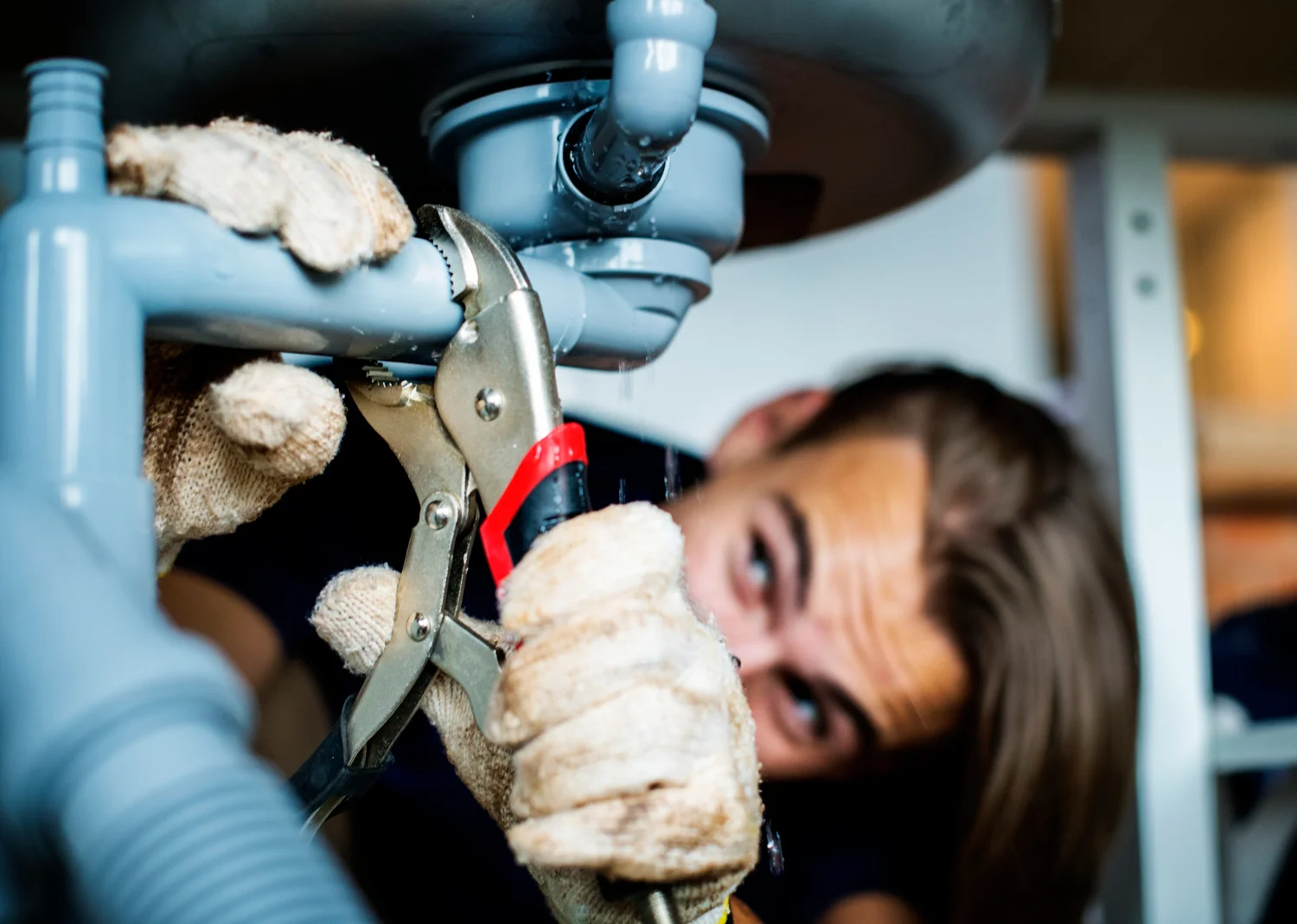
Emergency Plumbing Costs Explained for Every Home
In any UK household, unexpected plumbing issues—typically falling under general plumbing—can quickly become a source of stress and considerable expense. Homeowners may face emergencies requiring immediate attention to prevent further water damage, health hazards, and costly repairs. Although the cost of repairing a burst pipe may seem daunting, understanding what drives emergency plumbing rates empowers you to make informed choices when hiring a professional.
This expert guide outlines the fee structure behind these services—from inspection and diagnosis through to the cost of replacement parts. By exploring key cost factors and offering practical tips, this article helps both domestic and commercial clients across Salford and the North West effectively manage plumbing emergencies and plan for future maintenance.
As emergency plumbing services play a crucial role in home maintenance and improvement, this guide addresses common questions about repair costs, available services, and the regulations that influence pricing. Once you understand how elements like location, accessibility, and a plumber’s qualifications affect costs, you can make confident, cost-effective decisions. Read on for a technical yet accessible breakdown of what to expect.
Understanding the Factors That Influence Emergency Plumbing Costs
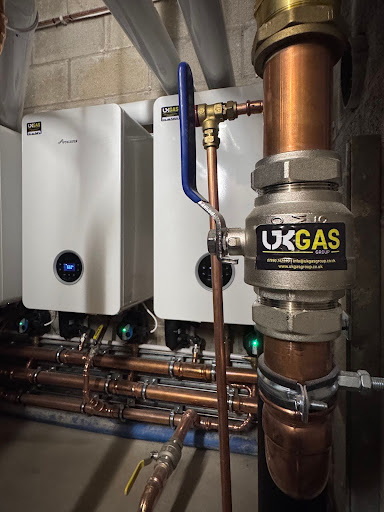
Emergency plumbing fees vary based on several factors beyond the complexity of the job itself. Whether it’s a minor leak or a major burst pipe, the type and severity of the issue determine the work required and the materials needed. Additionally, most plumbers charge a premium for work carried out outside regular working hours, to cover additional staffing and urgent response costs.
Evaluating the Type of Plumbing Issue
Different problems demand varying levels of time, labour, and parts. A blocked drain might only require a drain snake or chemicals, whereas leaking taps or burst pipes often need more intensive repairs and replacement components. An initial inspection determines whether a temporary or permanent solution is best—directly impacting labour time and total cost.
Considering Time of Day and Urgency
The timing of your plumbing emergency significantly affects pricing. Many companies apply higher rates during evenings, weekends, or bank holidays. These premium charges account for urgent response logistics and staff availability. It’s important to act swiftly but also understand how these factors may increase your bill.
Factoring in Location and Accessibility
Where the repair occurs can heavily influence the total charge. Hard-to-reach places—like beneath floorboards or in tight basements—often require extra time and specialist tools. For rural or remote areas, travel costs may be added. Limited access may also involve dismantling fixtures or making structural modifications, increasing both materials and labour costs.
Choosing an Experienced, Qualified Plumber
The plumber’s level of expertise affects pricing. Highly trained and certified professionals typically charge more for their services—but offer efficient, long-lasting solutions. Hiring reputable companies such as UK Gas Group Ltd in Salford is a wise investment that helps prevent recurring issues and additional call-outs.
Accounting for Materials and Components
The quality and type of materials used will influence your overall bill. While premium parts cost more upfront, they often lead to more durable repairs. Whether it’s a burst pipe repair or complex system fix, the cost depends on both the technique used and the quality of materials chosen.
Common Types of Emergency Plumbing Situations
Emergency plumbing issues range from minor leaks to major system failures. Each type of emergency carries different risks and costs. Knowing the warning signs can help you act early and potentially reduce damage and costs.
Signs of Burst Pipes Needing Immediate Action
Burst pipes can cause extensive damage fast. Warning signs include sudden drops in water pressure, pooled water, or odd pipe noises. Immediate action is essential to stop structural harm and mould. Emergency call-outs typically include extra charges for swift repairs.
Recognising Blocked Drains That Need Urgent Clearance
Blocked drains can lead to overflows and health hazards. Symptoms include slow draining, foul smells, or backflow. Emergency clearing—via high-pressure jetting or motorised snakes—costs depend on blockage severity and location.
Overflowing Toilets and Sinks
Overflowing fixtures disrupt daily life and can ruin flooring or walls. Causes include clogs, broken float mechanisms, or valve faults. Fast repairs prevent water damage. Regular maintenance and proper waste disposal reduce future risks.
Water Heater Faults
A broken water heater causes inconvenience and potential safety hazards. No hot water, leaks, or strange noises are red flags. Emergency repairs may include replacing thermostats or heating elements. Costs vary depending on damage and urgency.
Gas Leaks Linked to Plumbing Systems
Gas leaks—often linked to boilers or water heaters—pose severe safety threats. If you smell gas or appliances behave unusually, call a qualified engineer immediately. Repairs require special tools and expertise, leading to higher charges.
Comparing Typical Emergency Plumbing Costs
Here is a clear and concise table comparing typical emergency plumbing costs in the UK:
|
Service Type |
Typical Cost Range |
Details |
|
Plumbing Inspection |
£60 – £120 |
Includes travel; often deducted from final repair bill. |
|
Pipe Repairs & Replacement |
£200 – £1,000+ |
Depends on pipe material (e.g. copper, PVC) and location/accessibility. |
|
Drain Unblocking |
£80 – £250 |
Varies by method: manual, hydro jetting, or chemical treatment. |
|
Emergency Water Heater Repairs |
£100 – £500 |
Cost varies based on whether parts or the whole unit need replacement. |
|
Regional Price Variations |
Varies |
Urban areas like Salford tend to be more expensive than rural locations. |
Emergency plumbing fees depend on repair type, complexity, and urgency. Knowing average costs helps you budget and manage expectations.
Typical Charges for Plumbing Inspections
In the UK, a diagnostic visit usually costs between £60 and £120. This may include travel and is often deducted from the final bill if repair work proceeds.
Pipe Repairs and Replacement Costs
Simple pipe repairs might cost a few hundred pounds, while extensive work—especially in hard-to-reach areas—can exceed £1,000. Costs depend on the material (copper, PVC) and ease of access.
Drain Unblocking Prices
Drain clearance typically costs between £80 and £250, depending on method (manual, jetting, chemical). Tougher blockages or repeat interventions increase costs.
Emergency Water Heater Repair Rates
Urgent repairs to water heaters range from £100 to £500, depending on whether parts or the full unit require replacement. Upgrading to energy-efficient models may save money over time.
Regional Price Differences
Costs vary across the UK. Cities like Salford tend to have higher labour rates and after-hours fees than rural areas. Local competition and regulations also influence prices.
Regulatory Factors That Influence Plumbing Costs
Local codes and regulations affect how plumbing work is performed and priced. They ensure safety, quality, and environmental compliance—but can raise labour and material costs.
Permits and Compliance
Major plumbing work, like structural alterations, often requires a local authority permit. Permit costs are usually added to your overall bill. Skipping them risks fines and poor workmanship.
Code Compliance
Meeting local building and plumbing codes means using approved materials and techniques. While this may raise costs, it guarantees a safer, more reliable system.
Hiring Licensed Professionals
Qualified plumbers comply with all relevant standards. They typically offer warranties, better long-term performance, and fewer repeat visits—worth the higher initial cost.
Homeowner Responsibilities
You’re usually responsible for maintaining your plumbing system. Routine checks, especially before winter, can prevent costly call-outs and reduce insurance premiums.
Tips for Reducing Emergency Plumbing Costs
While not all emergencies are avoidable, smart habits can reduce their frequency and financial impact.
Prevention Is Key
Insulate pipes in winter, avoid pouring grease down drains, and fit water pressure regulators. These simple steps prevent many emergencies.
Schedule Routine Inspections
Annual inspections by a certified plumber can identify problems early. Fixing issues in advance avoids emergency rates and water damage.
Educate the Household
Teach everyone proper use of toilets, sinks, and appliances. Misuse is a common cause of plumbing faults.
Budget for Emergencies
Set aside a plumbing emergency fund. Compare quotes before committing, and prioritise reputable firms with clear pricing.
Get Multiple Quotes
Even in an emergency, try to get at least two quotes. Look for transparent pricing, reviews, and recommendations. Trusted providers like UK Gas Group Ltd offer reliable services at competitive rates.
Insurance and Plumbing Emergencies
Your home insurance may cover some plumbing emergencies. Understand the specifics to avoid surprises.
- What’s Covered: Most policies cover accidental water damage, including burst pipes. Confirm what is and isn’t included with your insurer.
- Watch for Exclusions: Wear and tear, poor maintenance, and some out-of-hours work may not be covered. Check your policy in detail.
- Add Extra Cover If Needed: Some insurers offer optional extras for systems like sump pumps or full pipe replacement. These can provide peace of mind and additional protection.
- How to File a Claim: Document all damage with photos, keep repair receipts, and notify your insurer promptly. A well-prepared claim speeds up the process.
- Choosing the Right Insurer: Look for companies with good customer service and simple claims processes. Balanced premiums and comprehensive cover help ease future emergencies.
Frequently Asked Questions
Final Thoughts
Understanding emergency plumbing costs is vital for managing both domestic and commercial plumbing challenges. By assessing the situation, considering timing and location, and factoring in regulations and insurance, you can make better-informed decisions. Preventive maintenance and regular inspections help avoid emergencies, saving both time and money. With smart planning and reliable professionals, even the most urgent plumbing issues can be resolved efficiently and affordably.