
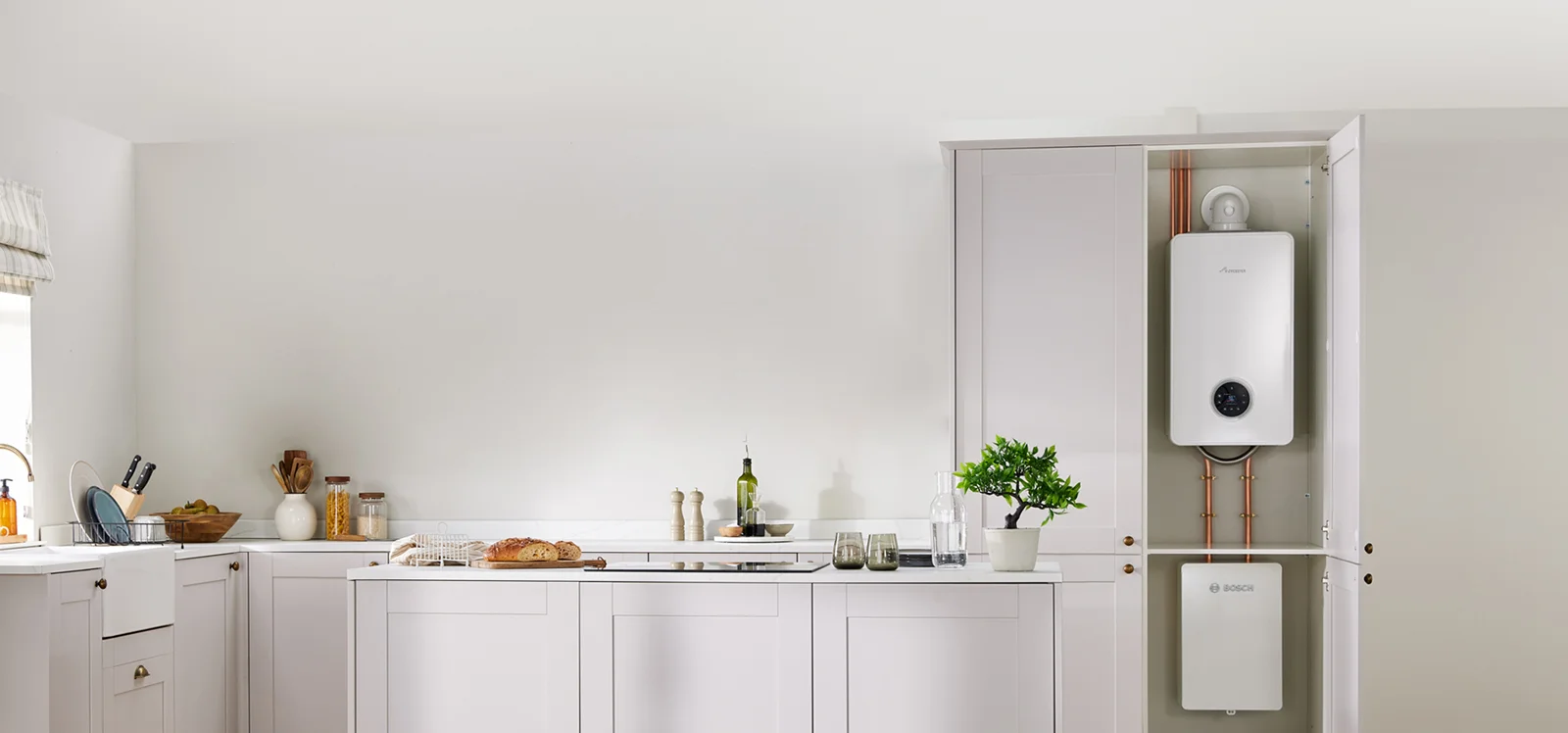
How to Identify the Best Boiler for Your Household Needs
Choosing the right boiler for your home requires careful consideration of your heating requirements, available fuel types, efficiency ratings, and both installation and maintenance costs (including boiler repairs and regular boiler servicing). In Salford and across the North West of England, understanding these factors ensures your new boiler meets both your heating and hot water demands—safely, efficiently, and cost-effectively.
Homeowners today must also weigh environmental impact alongside performance—whether that means reducing their carbon footprint with sustainable options like biomass or lowering annual bills with a high-efficiency gas boiler. With growing interest in heat pump systems, condensing technologies, and boiler care plans, there are now more heating choices than ever.
This comprehensive guide outlines the essential criteria for selecting the best boiler for your household. We cover how to calculate heating output, assess property size, evaluate insulation, compare boiler types, fuel options, and energy ratings—and why installation and servicing costs matter. Finally, we discuss the value of user feedback and professional guidance. This is a go-to resource for homeowners and commercial clients seeking reliable boiler cover and energy-efficient solutions from UK Gas Group Ltd.
Understand Your Household Heating Needs Before Choosing a Boiler
Proper boiler selection starts with an accurate understanding of your home’s heating and hot water demands. Consider these key factors:
Calculate the Required Heating Output
Estimate the heating load by assessing the size of each room and the quality of insulation. You can use online calculators or seek a professional heat loss assessment. This ensures the boiler isn’t underpowered—avoiding longer run times, increased wear, and higher energy costs.
Assess Your Household Size
Larger families generally need higher-capacity boilers to support multiple hot water outlets simultaneously. In contrast, smaller homes can benefit from compact units. Modern boilers with smart thermostatic controls adjust output based on real-time demand, helping to conserve energy.
Understand Daily Hot Water Usage
Hot water requirements vary with lifestyle. Homes with multiple showers or appliances running at once may need a system boiler with a separate cylinder. Smaller homes with variable usage may prefer a combi boiler for instant hot water on demand.
Evaluate Insulation Levels
Poor insulation increases heating demand. An insulation audit can highlight areas to improve before installing a new boiler, potentially allowing for a smaller, more efficient model that reduces both emissions and bills.
Identify Heating Zones in the Property
Larger homes may benefit from zoned heating (e.g. separate control for bedrooms and living areas). Choose a boiler compatible with multiple thermostats or zone controls to enhance comfort and energy efficiency.
Compare Different Boiler Types for UK Homes
Each boiler type comes with unique benefits and installation requirements. Your choice should depend on space availability, water demand, and existing infrastructure.
Combi Boilers – Ideal for Flats and Small Homes
Combi (combination) boilers provide both central heating and hot water from one compact unit. They don’t require separate tanks, making them easy to install and maintain. Their energy-efficient, on-demand performance is well suited to smaller households.
System Boilers – Suitable for Medium to Large Homes
System boilers include a separate hot water cylinder, ideal for homes with multiple bathrooms or higher simultaneous water usage. They offer strong pressure and zoning options, though they require more installation space.
Regular Boilers – Best for Homes with Traditional Setups
Regular (or conventional) boilers are compatible with older systems and gravity-fed setups that use separate hot and cold water tanks. They’re a reliable choice for replacing existing units without major plumbing changes.
Biomass and Electric Boilers – Low-Carbon Alternatives
Biomass boilers use wood pellets or chips and offer a renewable option when sustainably sourced. Electric boilers are compact and emission-free at the point of use, suitable for homes with access to green electricity—though running costs may be higher.
Oil and Gas Boilers – Widely Used and Efficient
Natural gas boilers are cost-effective and commonly available across the UK. Oil boilers serve rural areas where gas isn’t available, though they typically have higher fuel and maintenance costs. Both can now be highly efficient with condensing technology.
Evaluate Fuel Options for Maximum Efficiency and Savings
Fuel choice plays a vital role in both cost and environmental impact. Consider what’s locally available and how it aligns with your energy goals.
Natural Gas – Cost-Effective and Widely Available
Natural gas offers low running costs and lower carbon emissions compared to oil. Most modern boilers in the UK are designed for natural gas and achieve high efficiencies with condensing technology.
Electricity – Clean but Costly
Electric boilers produce no on-site emissions and are easy to install. They can be efficient in well-insulated properties and when paired with solar panels. However, electricity tariffs in the UK can make them more expensive to run long-term.
Oil – Ideal for Off-Grid Homes
Oil boilers offer reliable heating where mains gas is unavailable. However, they require on-site storage and regular maintenance. Volatile oil prices and environmental concerns should be considered.
Biomass – Sustainable and Efficient
Biomass systems support sustainability goals and are often supported by renewable heating incentives. While storage and maintenance (ash removal, fuel delivery) are needed, they can be very efficient in rural properties.
LPG (Liquefied Petroleum Gas) – Flexible but Pricey
LPG is a viable alternative for off-grid homes. It’s efficient and easily stored, but fuel costs are generally higher than natural gas and the carbon footprint is also greater.
Research Boiler Efficiency Ratings
Efficiency is crucial for keeping energy bills down and reducing environmental impact. Here’s what to look for:
Seasonal Efficiency Rating (SER)
This rating reflects how a boiler performs throughout the heating season. The higher the rating, the better it is at managing fuel consumption across varying temperatures.
Energy Labels (A+++ to D)
These EU-style labels make comparing models straightforward. Choose boilers with an A-rating or higher for optimal efficiency.
Modulating Burners
Modulating technology adjusts flame size to suit demand, improving comfort while reducing fuel waste and emissions.
Annual Fuel Utilisation Efficiency (AFUE)
AFUE indicates how much fuel is converted into usable heat over a year. The higher the number, the more cost-effective the boiler is to run.
Brand Comparisons
Top-rated brands like Viessmann and Baxi consistently deliver high real-world efficiency. Check customer reviews and industry reports when choosing a brand.
Consider Installation and Maintenance Costs

Initial installation and long-term upkeep both affect your total investment in a boiler.
Installation Costs
Combi boilers are typically cheaper to install due to their compact design. System and regular boilers may involve added labour and tank installations. Always compare multiple local quotes in Salford to ensure value for money.
Maintenance Expenses
Annual servicing keeps your boiler running efficiently and safely. Some providers offer fixed-price maintenance plans, which can be more economical than paying per service.
Warranty and Guarantees
Look for long-term warranties covering parts and labour. Reputable brands often offer extended guarantees, providing peace of mind and savings on future boiler repairs.
Service Contracts
Annual service contracts can include emergency repairs, callouts, and even component replacement—particularly valuable during the colder months in the North West.
Local Installer Quotes
Use local engineers who understand regional regulations and property types. Getting several quotes ensures competitive pricing and access to emergency support when needed.
Use User Feedback and Professional Advice to Make Your Choice
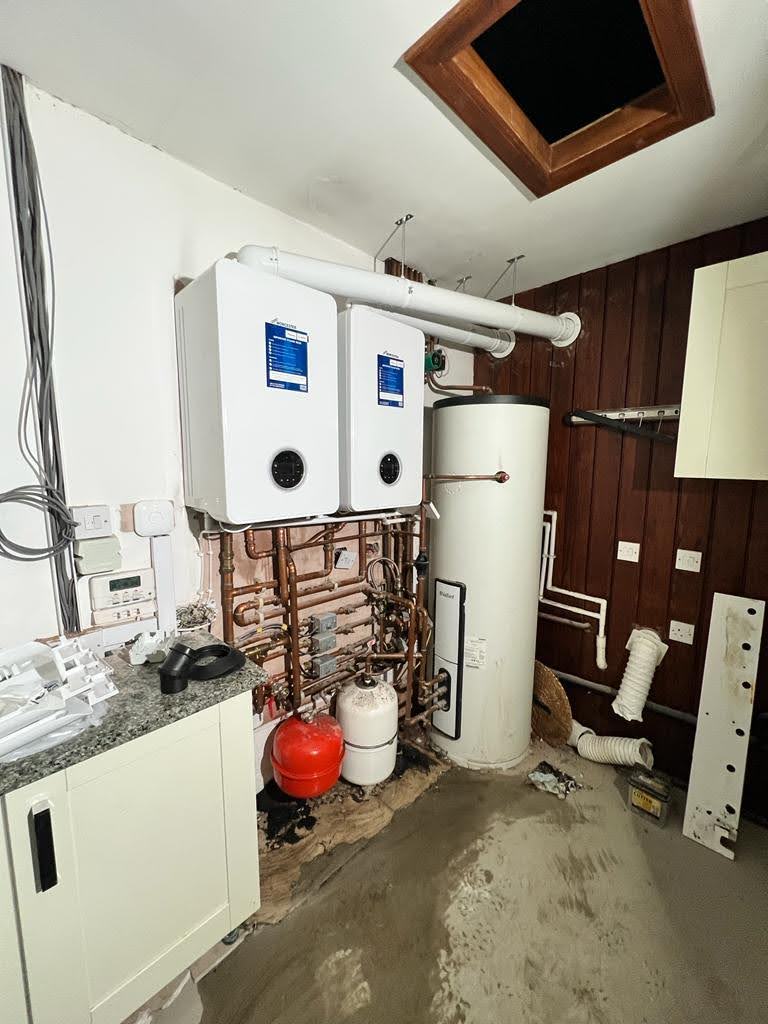
Online reviews, personal recommendations, and expert insights all contribute to making a smart decision.
Trusted Reviews and Forums
Look for consistent comments about reliability, energy savings, or recurring issues. Sites like Trustpilot or Which? offer aggregated insights.
Comparison Websites
Use platforms that rate boilers across metrics like efficiency, ease of use, and installation cost.
Ask Friends and Family
Word of mouth is powerful—ask people you trust about their experience with specific boiler models or installers.
Manufacturer Reputation
Brands like Viessmann and Baxi are respected for their engineering, service, and warranty support. Choose a manufacturer with proven longevity.
Consult Heating Engineers
Qualified engineers can assess your home and recommend suitable models based on actual heating needs, layout, and budget.
Frequently Asked Questions
Final Thoughts
Selecting the right boiler involves more than just comparing price tags. You need to understand your household’s unique heating needs, evaluate fuel types, prioritise energy efficiency, and factor in long-term maintenance costs.
For homeowners in Salford and the wider North West, it’s also crucial to rely on trusted installers, user reviews, and professional guidance to make an informed choice. With the right boiler, you’ll enjoy lower energy bills, improved comfort, and peace of mind for years to come.