Why Is My Boiler Making A Noise?
A noisy boiler can be more than just an annoyance; it may indicate an underlying issue that requires attention. From banging and whistling to gurgling sounds, each type of noise has its own causes and fixes. In this guide, we’ll help you diagnose what’s causing your boiler to act up and provide practical solutions to get it back to working silently and efficiently.
<h2> Why Is Your Boiler Making Noise?
Boilers are complex systems that heat water and distribute it to radiators or taps. When a problem arises, it often manifests as unusual noises. Here are some common reasons for a noisy boiler and what they might mean:
- Air Trapped in the System: Whistling or gurgling sounds could be caused by air trapped in the pipes or radiators.
- Kettling: A banging or rumbling sound often points to kettling, caused by limescale build-up.
- Low Water Pressure: A hissing noise might indicate insufficient water in the system.
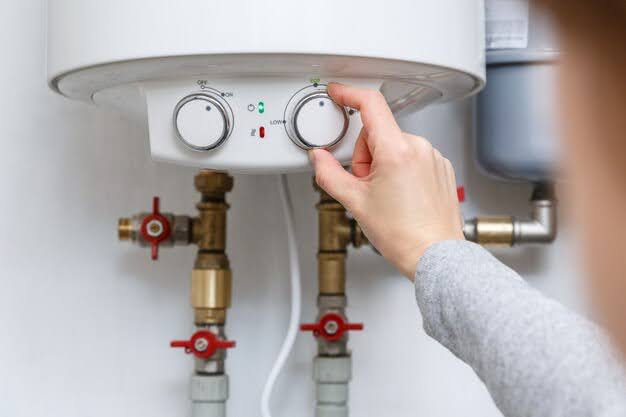
- Pump Issues: A noisy pump could mean it’s working too hard or is faulty.
Let’s dive deeper into these problems and how you can address them.
1) Bleeding Your Radiators to Remove Trapped Air
Air trapped in the heating system is one of the most common culprits behind boiler noises.
How to Bleed Your Radiators:
- Turn off your heating system and let it cool down.
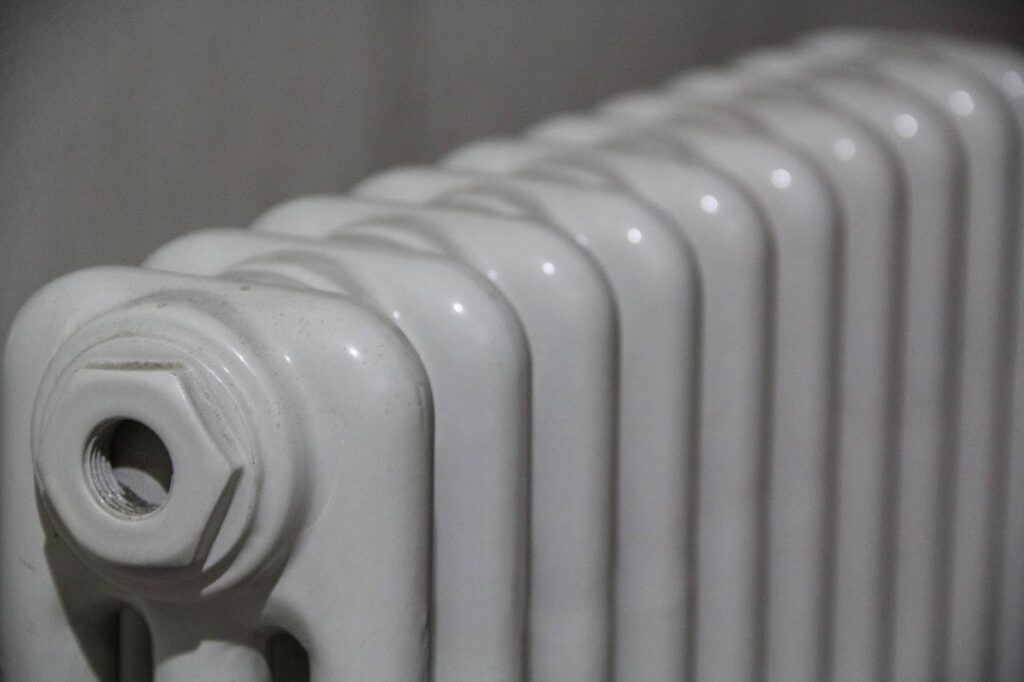
- Use a radiator key to open the bleed valve at the top of the radiator.
- Allow air to escape until water starts to drip out, then close the valve.
- Check your boiler pressure and top it up if necessary.
If you’re unsure about bleeding your radiators or notice the problem persists, UK Gas Group can provide professional assistance.
2) Addressing Kettling: What It Is and How to Fix It
Kettling occurs when limescale builds up on the heat exchanger, causing water to overheat and create steam bubbles. This is especially common in hard water areas.
Fixing Kettling:
- Descale the System: Use a chemical descaler to remove limescale build-up. You can find products specifically designed for central heating systems.
- Install a Water Softener: If you live in a hard water area, a water softener can prevent limescale from forming in the first place.
- Call a Professional: Severe kettling may require a power flush or replacement of the heat exchanger. Book a service with UK Gas Group to address the issue effectively.
3) Fixing Low Water Pressure Issues
Low water pressure can disrupt the flow of water through the boiler, causing hissing or banging noises.
How to Check and Refill Boiler Pressure:
- Locate the pressure gauge on your boiler. The ideal pressure range is typically between 1 and 1.5 bars.
- If the pressure is low, use the filling loop to add water to the system. Be careful not to overfill.
- Monitor the pressure regularly to ensure it stays within the recommended range.
If pressure issues persist, it could indicate a leak or a faulty pressure relief valve. Contact UK Gas Group for an expert inspection.
4) Diagnosing and Repairing Noisy Pumps
A noisy pump can result from wear and tear, incorrect settings, or debris blocking the system.
Steps to Fix a Noisy Pump:
- Check Pump Settings: Ensure the pump isn’t set to a speed that’s too high for your system.
- Clean the Pump: Turn off the boiler and inspect the pump for any debris or blockages.
- Replace If Necessary: If the pump is old or faulty, it’s best to replace it. UK Gas Group offers reliable pump repair and replacement services.
5) Dealing With Gurgling Noises
Gurgling sounds often indicate air in the pipes or a problem with the water flow.
How to Resolve Gurgling:
- Bleed the System: As mentioned earlier, bleeding radiators can remove trapped air.
- Check the Condensate Pipe: Ensure it’s not blocked, especially during freezing weather.
- Inspect the Circulator Pump: A malfunctioning pump can disrupt water flow, causing gurgling noises.
6) Preventing Boiler Noises in the Future
Regular maintenance is key to keeping your boiler running quietly and efficiently. Here are some proactive steps you can take:
- Annual Servicing: Book an annual boiler service to identify and resolve potential issues early.
- Flush the System: A power flush can remove sludge and debris that might cause blockages and noise.
- Monitor Pressure: Regularly check your boiler pressure and keep it within the recommended range.
For reliable boiler maintenance, visit UK Gas Group.
When to Call a Professional
While some boiler noises can be fixed with DIY methods, others require professional intervention. If you notice any of the following, it’s time to call in the experts:
- Persistent banging, whistling, or gurgling noises.
- Frequent pressure drops or fluctuations.
- Visible leaks or signs of corrosion.
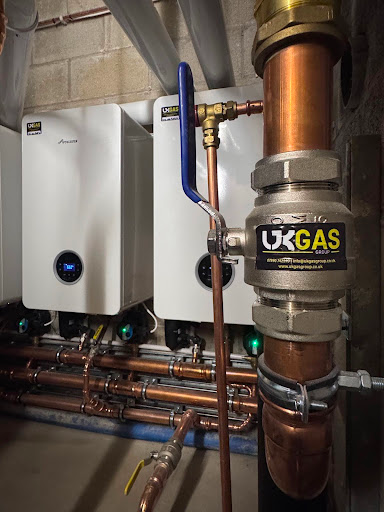
UK Gas Group offers comprehensive boiler repair and maintenance services to keep your heating system in top condition.
Final Thoughts
A noisy boiler is not only a nuisance but can also indicate a serious issue that might escalate if left untreated. By identifying the cause and taking appropriate action, you can restore your boiler’s efficiency and peace of mind. For professional help with any boiler-related problems, contact UK Gas Group today.