
New Combi Boiler Altrincham: Will Your Existing Pipework Cope With the Upgrade?
Find out whether your existing pipework can support a new combi boiler in Altrincham, including potential circulation issues, necessary upgrades and installation considerations.

Why you can trust our content
We understand that the boiler industry can be confusing, with plenty of outdated or misleading information. That’s why we rely only on trusted, proven sources to guide our advice and installations:

At a glance
Introduction
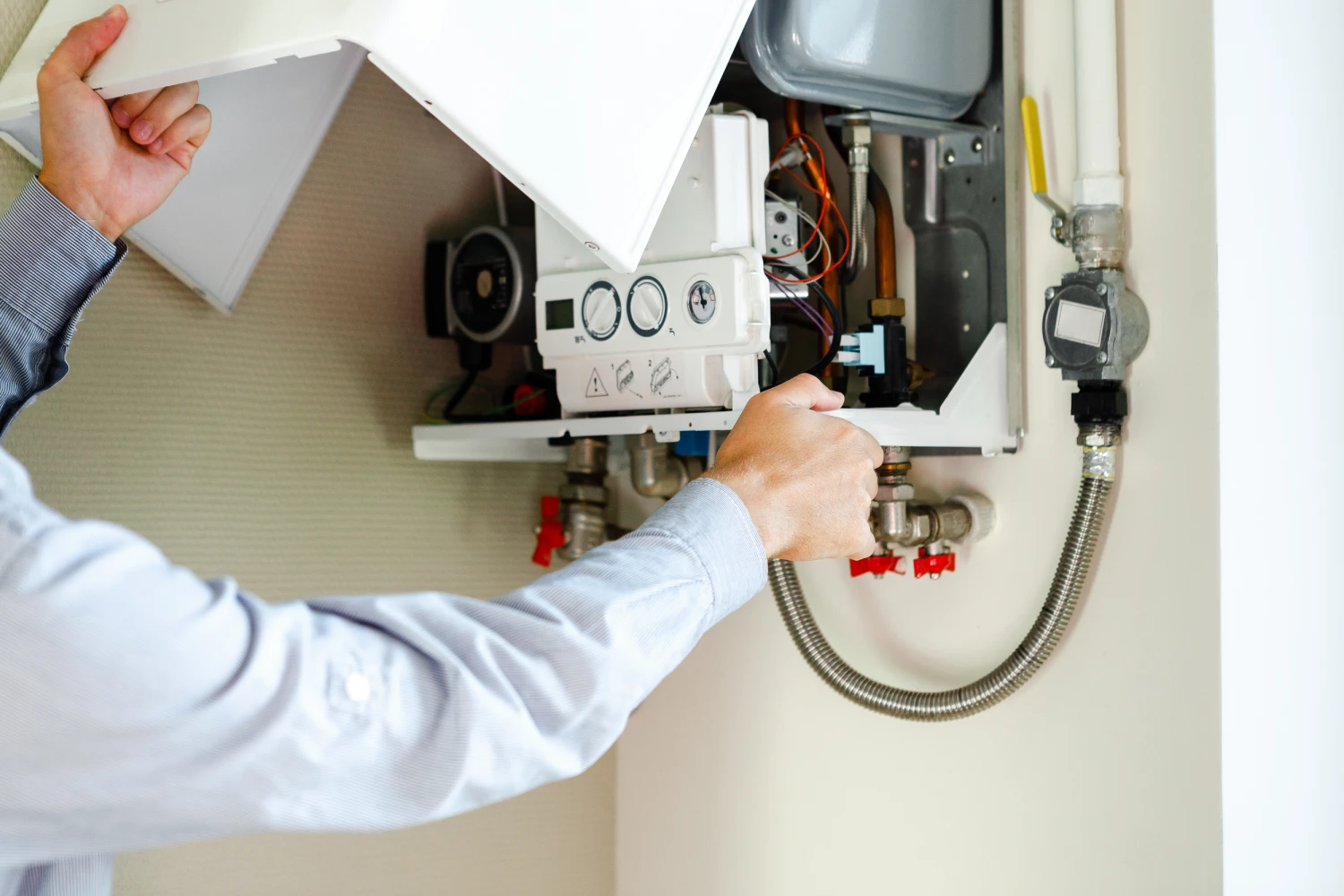
Replacing an older boiler with a modern combi can improve heating control, hot water performance and overall system reliability. However, the boiler is only one part of the installation. The existing heating and water pipework also needs to be considered before the replacement goes ahead.
This is particularly relevant in older properties, where pipework may have been designed around a previous boiler and heating system. Small-diameter pipes, restricted sections, ageing joints or changes made over several years can all affect how the new system performs.
If you are considering a new combi boiler Altrincham homeowners should first understand whether the existing pipework is suitable for the proposed upgrade. In some properties, little or no alteration may be required. In others, targeted pipework improvements can make a significant difference to the final installation.
If you are unsure whether your current system can support a combi boiler replacement, UK Gas Group can assess the existing arrangement and explain what, if anything, needs to change.
Can an Existing Heating System Work With a New Combi Boiler?
Yes, in many cases it can.
A new combi boiler does not automatically require a complete replacement of the existing heating pipework. If the pipes are in good condition, correctly configured and capable of providing adequate circulation, they may be retained.
The assessment should consider the complete system rather than simply the age of the pipes.
An installer may look at:
- The diameter of existing heating pipes.
- The route and length of pipe runs.
- The number and size of radiators.
- The condition of valves and connections.
- Evidence of sludge or restricted flow.
- Existing gas supply arrangements.
- The incoming mains water supply.
- The position of the replacement boiler.
This helps establish whether the current infrastructure is suitable for the new appliance.
Why Does Pipe Size Matter With a Combi Boiler?
Pipe size can influence how effectively water moves through a heating system.
Smaller pipes create more resistance to flow. This does not necessarily make them unsuitable, but the system needs to be designed and balanced appropriately.
If a property has older microbore pipework, for example, the installer may assess whether it can continue providing sufficient circulation to each radiator.
There is also an important distinction between the heating circuit and the incoming water supply. A combi boiler heats mains water directly for taps and showers, so the mains water supply needs to provide suitable flow and pressure for the household’s requirements.
The heating pipework and domestic hot water supply therefore need to be considered separately.
What Should Be Checked Before a Combi Boiler Upgrade?
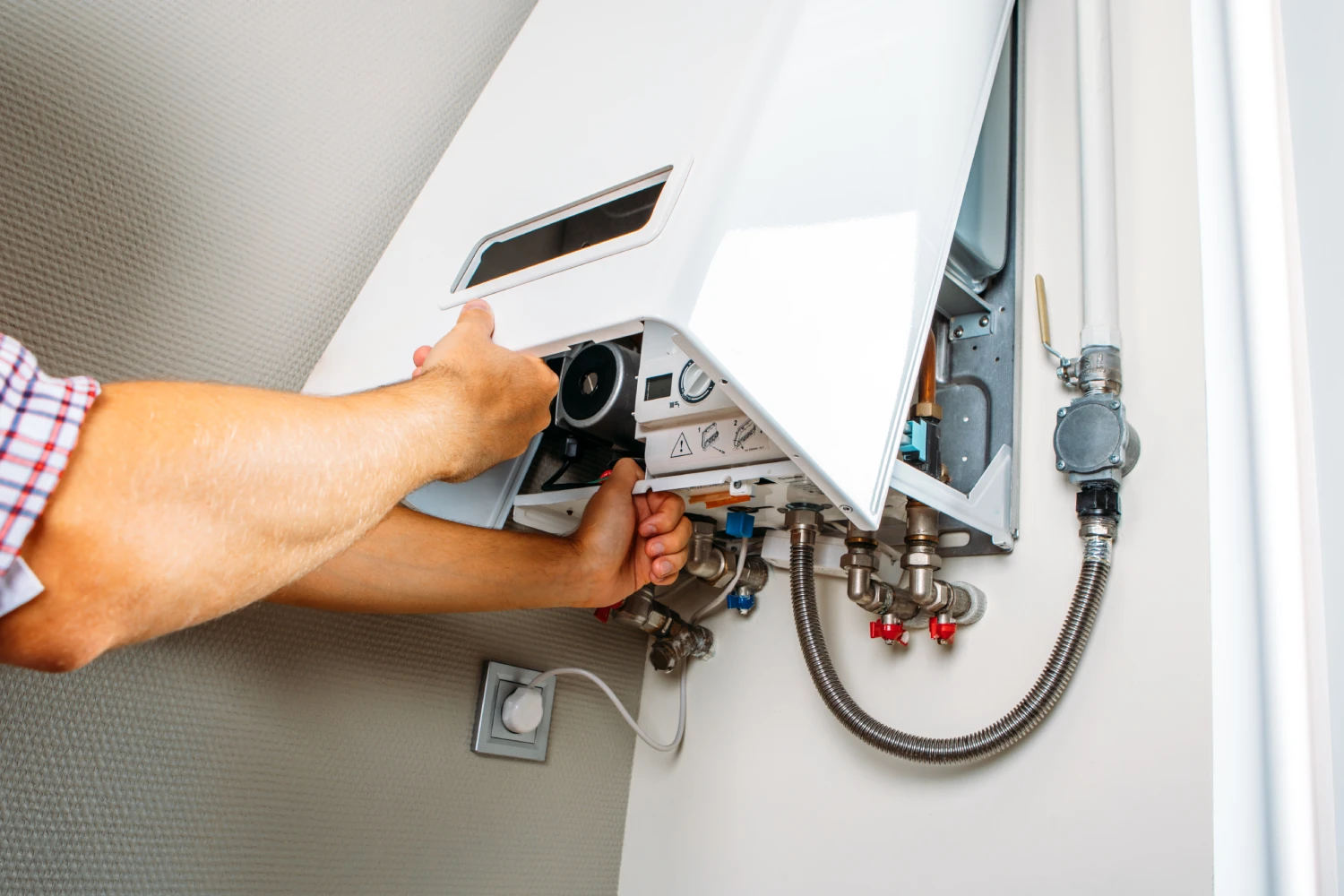
Before installing a replacement combi, the installer should establish how the existing system is configured and whether it can support the new appliance.
A typical assessment may include:
|
System area |
What the installer is looking for |
|
Heating pipework |
Suitable size, condition and flow |
|
Radiators |
Appropriate output and condition |
|
Valves |
Correct operation and signs of restriction |
|
Gas supply |
Suitable arrangement for the proposed appliance |
|
Mains water |
Adequate pressure and flow for hot water demand |
|
Boiler position |
Practical installation and connection requirements |
|
Controls |
Compatibility with the replacement system |
|
Condensate route |
Suitable route for the new boiler |
|
Flue |
Appropriate position and installation requirements |
This assessment helps prevent the common mistake of assuming that replacing the boiler alone will solve every heating or hot water problem.
Could Old Pipework Affect Heating Performance?
It can.
A heating system depends on the movement of hot water between the boiler and radiators. If pipework contains sludge or has sections with restricted flow, some radiators may not receive enough hot water.
Typical symptoms can include:
- Radiators that remain cool at the bottom.
- Some rooms heating much faster than others.
- A radiator that only heats when others are turned down.
- Slow heating throughout parts of the property.
- Unusual noises from sections of the heating system.
These symptoms can have several causes, so they should not automatically be blamed on the boiler.
A professional assessment can help identify whether the issue relates to pipework, radiator valves, air, system balancing or another component.
Let’s get started, Which fuel powers your boiler?
Mains Gas
LPG
It just takes 60 Seconds
And then you can book a free consultation
Will a New Combi Boiler Need New Pipework?
Not necessarily.
A new combi boiler may connect successfully to existing heating pipework if the system is suitable. However, certain sections may need altering to achieve the required connection or performance.
This could involve:
- Replacing a short section of pipe.
- Improving an existing connection.
- Altering pipework around the boiler.
- Re-routing pipework to accommodate the new appliance.
- Replacing damaged or heavily corroded sections.
The extent of work depends on the property.
Replacing every heating pipe in the home is not automatically the correct solution. In many cases, a more targeted approach can address the actual issue without unnecessary disruption.
What About the Mains Water Supply?
This is an important consideration when upgrading to a combi boiler.
Unlike a traditional hot water cylinder system, a combi boiler heats domestic hot water as it is needed. This means the mains water supply has a direct influence on the performance available from the taps and showers.
A powerful boiler cannot create water pressure that is not available from the incoming supply.
An installer may therefore consider:
- Incoming mains pressure.
- Available flow rate.
- Existing incoming pipe size.
- Number of bathrooms.
- Simultaneous hot water demand.
- Expected shower performance.
If the mains supply is limited, simply selecting a larger boiler may not solve the problem.
For homeowners arranging a new combi boiler Altrincham, this is one of the reasons a property assessment can be more useful than choosing a boiler based solely on its advertised output.
Can Microbore Pipework Be Kept With a New Combi?
Often, yes.
Microbore systems use smaller-diameter heating pipes and can continue to operate with modern boilers when the system is correctly designed and functioning properly.
However, an installer should consider the condition of the pipework and whether there are existing flow problems.
A property with clean, unobstructed microbore pipes may require little intervention. Another property with restricted sections and uneven radiator performance may benefit from targeted alterations.
The decision should be based on the actual condition of the system rather than a blanket rule about microbore heating.
If you have an older heating system and are considering a replacement, speak to UK Gas Group before making a decision. Understanding the condition of your existing pipework can help clarify the work involved and avoid unnecessary changes.
Could Pipework Affect the Cost of a Combi Installation?
Yes, although the amount can vary considerably.
A straightforward replacement where the new boiler remains in the same position may involve relatively little pipework work. A more complicated installation can require additional labour and materials.
Potential cost factors include:
- Pipe alterations around the boiler.
- Replacement of damaged sections.
- Difficult access beneath floors.
- Changes to the boiler position.
- Mains water supply alterations.
- Additional controls.
- Condensate modifications.
- System preparation.
This means combi boiler installation Warrington costs can vary from one property to another, even when homeowners select similar appliances.
When comparing quotations, look at the complete installation scope rather than just the boiler model and headline figure.
Does the Boiler Location Matter?
Yes.
Replacing a combi boiler in its existing position can be relatively straightforward if the surrounding connections remain suitable.
Relocating the appliance can introduce additional work. The new position may require longer heating and water connections, changes to the gas supply, a new condensate route or alterations to the flue arrangement.
The accessibility of the new position also matters.
For example, installing a boiler inside a readily accessible kitchen cupboard is a different proposition from routing new connections through a finished floor or concealed wall.
An installer should explain any location-related implications before work begins.
What If the Existing Pipework Has Sludge?
Sludge and debris can interfere with circulation and reduce heating performance.
Signs of possible contamination include cold areas at the bottom of radiators, repeated circulation problems and dirty water when components are opened for servicing.
The appropriate response depends on the condition of the system. An installer may recommend cleaning or flushing the system before or alongside the boiler replacement.
The objective is to give the replacement boiler a clean and properly functioning heating circuit.
System preparation should be explained clearly so that homeowners understand what is being recommended and why.
A Typical Altrincham Home Scenario
Consider a traditional semi-detached property with an older combi boiler located in a kitchen cupboard. The heating system uses small-diameter pipework installed several years ago.
The homeowner wants a modern replacement because the existing boiler is becoming unreliable. During the assessment, most of the pipework is found to be sound, but one radiator has consistently suffered from poor flow.
Rather than replacing the entire heating circuit, the installer identifies the restricted section and recommends targeted work alongside the boiler replacement.
The new boiler can then be commissioned with the heating system properly prepared and balanced.
This illustrates why a detailed survey matters. A system can contain older components without every component needing replacement.
How Should You Compare Combi Boiler Installation Quotes?
A useful quotation should give you a clear picture of what the installer is proposing.
Before accepting a price, ask:
- Has the existing heating pipework been assessed?
- Is the current boiler position being retained?
- Are pipe alterations included?
- Has the mains water supply been considered?
- Are new controls included?
- Is system cleaning recommended?
- Are there any potential additional costs?
- What work is included in the installation price?
You should also check that the proposed boiler is appropriately sized for the property and hot water demand.
A lower quotation is not necessarily a like-for-like comparison if it excludes work that another installer has included.
Can an Installer Tell You if Your Existing Pipework Is Suitable?
Yes.
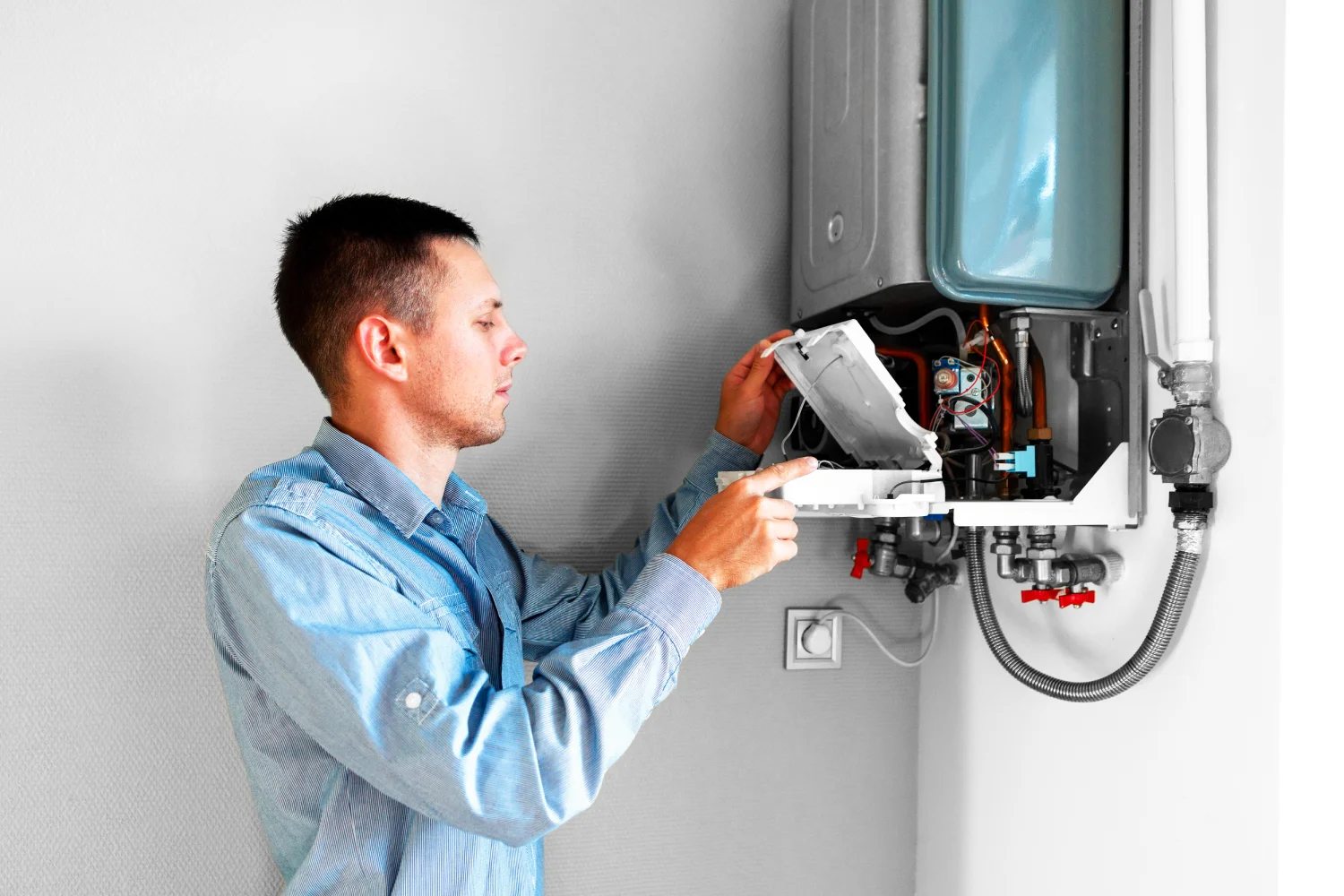
A qualified installer can inspect accessible pipework, assess the heating system and consider the requirements of the proposed boiler.
The purpose is not simply to identify reasons to replace pipework. It is to determine what the system actually needs.
For homeowners considering new combi boiler Altrincham, this provides useful reassurance. If the existing pipework is suitable, it may be possible to retain it. If changes are necessary, the installer can explain which sections require attention and why.
Conclusion
A new combi boiler can often be installed alongside an existing heating system, including systems with older or microbore pipework. What matters is whether the existing infrastructure is in suitable condition and can support the new appliance.
The heating circuit, mains water supply, controls, boiler position and condition of the pipework should all be considered before installation. Where problems are found, targeted alterations may be enough rather than replacing the entire system.
UK Gas Group can assess the practical requirements of a combi replacement and explain the options clearly. If you are planning an upgrade, speak to our team for tailored advice based on your property and existing heating system.
Related articles



Let’s get started, Which fuel powers your boiler?
Mains Gas
LPG
At a glance
Introduction
Replacing an older boiler with a modern combi can improve heating control, hot water performance and overall system reliability. However, the boiler is only one part of the installation. The existing heating and water pipework also needs to be considered before the replacement goes ahead.
This is particularly relevant in older properties, where pipework may have been designed around a previous boiler and heating system. Small-diameter pipes, restricted sections, ageing joints or changes made over several years can all affect how the new system performs.
If you are considering a new combi boiler Altrincham homeowners should first understand whether the existing pipework is suitable for the proposed upgrade. In some properties, little or no alteration may be required. In others, targeted pipework improvements can make a significant difference to the final installation.
If you are unsure whether your current system can support a combi boiler replacement, UK Gas Group can assess the existing arrangement and explain what, if anything, needs to change.
Can an Existing Heating System Work With a New Combi Boiler?
Yes, in many cases it can.
A new combi boiler does not automatically require a complete replacement of the existing heating pipework. If the pipes are in good condition, correctly configured and capable of providing adequate circulation, they may be retained.
The assessment should consider the complete system rather than simply the age of the pipes.
An installer may look at:
- The diameter of existing heating pipes.
- The route and length of pipe runs.
- The number and size of radiators.
- The condition of valves and connections.
- Evidence of sludge or restricted flow.
- Existing gas supply arrangements.
- The incoming mains water supply.
- The position of the replacement boiler.
This helps establish whether the current infrastructure is suitable for the new appliance.
Why Does Pipe Size Matter With a Combi Boiler?
Pipe size can influence how effectively water moves through a heating system.
Smaller pipes create more resistance to flow. This does not necessarily make them unsuitable, but the system needs to be designed and balanced appropriately.
If a property has older microbore pipework, for example, the installer may assess whether it can continue providing sufficient circulation to each radiator.
There is also an important distinction between the heating circuit and the incoming water supply. A combi boiler heats mains water directly for taps and showers, so the mains water supply needs to provide suitable flow and pressure for the household’s requirements.
The heating pipework and domestic hot water supply therefore need to be considered separately.
What Should Be Checked Before a Combi Boiler Upgrade?
Before installing a replacement combi, the installer should establish how the existing system is configured and whether it can support the new appliance.
A typical assessment may include:
|
System area |
What the installer is looking for |
|
Heating pipework |
Suitable size, condition and flow |
|
Radiators |
Appropriate output and condition |
|
Valves |
Correct operation and signs of restriction |
|
Gas supply |
Suitable arrangement for the proposed appliance |
|
Mains water |
Adequate pressure and flow for hot water demand |
|
Boiler position |
Practical installation and connection requirements |
|
Controls |
Compatibility with the replacement system |
|
Condensate route |
Suitable route for the new boiler |
|
Flue |
Appropriate position and installation requirements |
This assessment helps prevent the common mistake of assuming that replacing the boiler alone will solve every heating or hot water problem.
Could Old Pipework Affect Heating Performance?
It can.
A heating system depends on the movement of hot water between the boiler and radiators. If pipework contains sludge or has sections with restricted flow, some radiators may not receive enough hot water.
Typical symptoms can include:
- Radiators that remain cool at the bottom.
- Some rooms heating much faster than others.
- A radiator that only heats when others are turned down.
- Slow heating throughout parts of the property.
- Unusual noises from sections of the heating system.
These symptoms can have several causes, so they should not automatically be blamed on the boiler.
A professional assessment can help identify whether the issue relates to pipework, radiator valves, air, system balancing or another component.
Let’s get started, Which fuel powers your boiler?
Mains Gas
LPG
It just takes 60 Seconds
And then you can book a free consultation
Will a New Combi Boiler Need New Pipework?
Not necessarily.
A new combi boiler may connect successfully to existing heating pipework if the system is suitable. However, certain sections may need altering to achieve the required connection or performance.
This could involve:
- Replacing a short section of pipe.
- Improving an existing connection.
- Altering pipework around the boiler.
- Re-routing pipework to accommodate the new appliance.
- Replacing damaged or heavily corroded sections.
The extent of work depends on the property.
Replacing every heating pipe in the home is not automatically the correct solution. In many cases, a more targeted approach can address the actual issue without unnecessary disruption.
What About the Mains Water Supply?
This is an important consideration when upgrading to a combi boiler.
Unlike a traditional hot water cylinder system, a combi boiler heats domestic hot water as it is needed. This means the mains water supply has a direct influence on the performance available from the taps and showers.
A powerful boiler cannot create water pressure that is not available from the incoming supply.
An installer may therefore consider:
- Incoming mains pressure.
- Available flow rate.
- Existing incoming pipe size.
- Number of bathrooms.
- Simultaneous hot water demand.
- Expected shower performance.
If the mains supply is limited, simply selecting a larger boiler may not solve the problem.
For homeowners arranging a new combi boiler Altrincham, this is one of the reasons a property assessment can be more useful than choosing a boiler based solely on its advertised output.
Can Microbore Pipework Be Kept With a New Combi?
Often, yes.
Microbore systems use smaller-diameter heating pipes and can continue to operate with modern boilers when the system is correctly designed and functioning properly.
However, an installer should consider the condition of the pipework and whether there are existing flow problems.
A property with clean, unobstructed microbore pipes may require little intervention. Another property with restricted sections and uneven radiator performance may benefit from targeted alterations.
The decision should be based on the actual condition of the system rather than a blanket rule about microbore heating.
If you have an older heating system and are considering a replacement, speak to UK Gas Group before making a decision. Understanding the condition of your existing pipework can help clarify the work involved and avoid unnecessary changes.
Could Pipework Affect the Cost of a Combi Installation?
Yes, although the amount can vary considerably.
A straightforward replacement where the new boiler remains in the same position may involve relatively little pipework work. A more complicated installation can require additional labour and materials.
Potential cost factors include:
- Pipe alterations around the boiler.
- Replacement of damaged sections.
- Difficult access beneath floors.
- Changes to the boiler position.
- Mains water supply alterations.
- Additional controls.
- Condensate modifications.
- System preparation.
This means combi boiler installation Warrington costs can vary from one property to another, even when homeowners select similar appliances.
When comparing quotations, look at the complete installation scope rather than just the boiler model and headline figure.
Does the Boiler Location Matter?
Yes.
Replacing a combi boiler in its existing position can be relatively straightforward if the surrounding connections remain suitable.
Relocating the appliance can introduce additional work. The new position may require longer heating and water connections, changes to the gas supply, a new condensate route or alterations to the flue arrangement.
The accessibility of the new position also matters.
For example, installing a boiler inside a readily accessible kitchen cupboard is a different proposition from routing new connections through a finished floor or concealed wall.
An installer should explain any location-related implications before work begins.
What If the Existing Pipework Has Sludge?
Sludge and debris can interfere with circulation and reduce heating performance.
Signs of possible contamination include cold areas at the bottom of radiators, repeated circulation problems and dirty water when components are opened for servicing.
The appropriate response depends on the condition of the system. An installer may recommend cleaning or flushing the system before or alongside the boiler replacement.
The objective is to give the replacement boiler a clean and properly functioning heating circuit.
System preparation should be explained clearly so that homeowners understand what is being recommended and why.
A Typical Altrincham Home Scenario
Consider a traditional semi-detached property with an older combi boiler located in a kitchen cupboard. The heating system uses small-diameter pipework installed several years ago.
The homeowner wants a modern replacement because the existing boiler is becoming unreliable. During the assessment, most of the pipework is found to be sound, but one radiator has consistently suffered from poor flow.
Rather than replacing the entire heating circuit, the installer identifies the restricted section and recommends targeted work alongside the boiler replacement.
The new boiler can then be commissioned with the heating system properly prepared and balanced.
This illustrates why a detailed survey matters. A system can contain older components without every component needing replacement.
How Should You Compare Combi Boiler Installation Quotes?
A useful quotation should give you a clear picture of what the installer is proposing.
Before accepting a price, ask:
- Has the existing heating pipework been assessed?
- Is the current boiler position being retained?
- Are pipe alterations included?
- Has the mains water supply been considered?
- Are new controls included?
- Is system cleaning recommended?
- Are there any potential additional costs?
- What work is included in the installation price?
You should also check that the proposed boiler is appropriately sized for the property and hot water demand.
A lower quotation is not necessarily a like-for-like comparison if it excludes work that another installer has included.
Can an Installer Tell You if Your Existing Pipework Is Suitable?
Yes.
A qualified installer can inspect accessible pipework, assess the heating system and consider the requirements of the proposed boiler.
The purpose is not simply to identify reasons to replace pipework. It is to determine what the system actually needs.
For homeowners considering new combi boiler Altrincham, this provides useful reassurance. If the existing pipework is suitable, it may be possible to retain it. If changes are necessary, the installer can explain which sections require attention and why.
Conclusion
A new combi boiler can often be installed alongside an existing heating system, including systems with older or microbore pipework. What matters is whether the existing infrastructure is in suitable condition and can support the new appliance.
The heating circuit, mains water supply, controls, boiler position and condition of the pipework should all be considered before installation. Where problems are found, targeted alterations may be enough rather than replacing the entire system.
UK Gas Group can assess the practical requirements of a combi replacement and explain the options clearly. If you are planning an upgrade, speak to our team for tailored advice based on your property and existing heating system.