
Boiler Repair Altrincham: When Poor Heating Flow Is a Pipework Problem, Not a Boiler Fault
Introduction When a radiator stays cold, takes too long to heat or only warms partially, it is easy to assume the boiler is failing. In reality, the boiler may be producing heat correctly while another part of the heating system is preventing that heat from reaching the radiator. Pipework restrictions are one possible cause. Older…

Why you can trust our content
We understand that the boiler industry can be confusing, with plenty of outdated or misleading information. That’s why we rely only on trusted, proven sources to guide our advice and installations:


At a glance
Introduction
When a radiator stays cold, takes too long to heat or only warms partially, it is easy to assume the boiler is failing. In reality, the boiler may be producing heat correctly while another part of the heating system is preventing that heat from reaching the radiator.
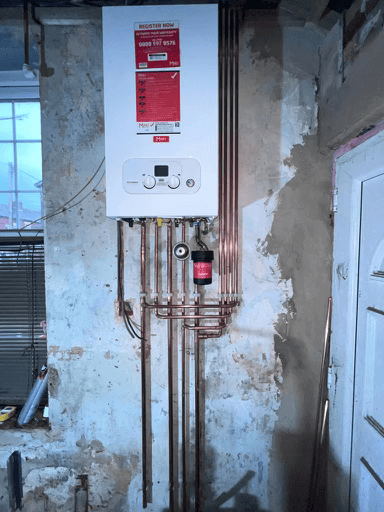
Pipework restrictions are one possible cause. Older systems can contain narrow sections, accumulated sludge, damaged connections or valves that restrict circulation. The result can look very similar to a boiler fault, particularly when several rooms are affected.
Understanding the difference matters because repeatedly repairing or replacing the boiler will not resolve a problem caused by restricted heating flow.
If you are looking for boiler repair altrincham homeowners should consider the whole heating system rather than focusing on the boiler alone.
What Does Poor Heating Flow Look Like?
Poor heating flow occurs when hot water does not circulate around the heating system as effectively as it should.
The symptoms can vary depending on where the restriction occurs. Common signs include:
- Some radiators heating while others remain cold.
- Radiators taking much longer to warm up.
- Radiators becoming warm only at the top or in isolated areas.
- One part of the property heating more effectively than another.
- Heating that works better when certain radiators are turned off.
- Unusual noises from radiators or pipework.
- The boiler operating but rooms remaining colder than expected.
These symptoms do not prove that pipework is at fault. Air, radiator valves, balancing issues, sludge, pump problems and controls can produce similar results.
The purpose of a professional assessment is to identify the actual cause before deciding what repair is needed.
Could the Boiler Be Working Normally?
Yes.
A boiler’s primary job is to heat water. Once that water enters the heating circuit, it needs to circulate through the pipework and radiators.
If the boiler is heating the water correctly but the circulation is restricted further along the system, the boiler may continue operating while certain radiators fail to receive enough heat.
This is why replacing the boiler is not always the appropriate response to poor radiator performance.
An installer or heating engineer can assess whether the boiler is reaching its expected operating conditions and then investigate the rest of the system if circulation appears to be the issue.
How Can Pipework Restrict Heating Flow?
Several factors can restrict the movement of water through a heating circuit.
Sludge and debris
Over time, corrosion within a heating system can create deposits that settle in radiators and pipework. These deposits can reduce the available passage for water.
Small-diameter pipework
Microbore systems use smaller pipes. They can work effectively, but restrictions can have a more noticeable effect where the pipework is already narrow.
Damaged or poorly made connections
A damaged connection or poorly configured section can interfere with circulation.
Excessive bends
The layout of pipework can influence resistance to flow, particularly where long runs contain numerous bends or changes in direction.
Faulty valves
A partially closed or defective valve can restrict flow to an individual radiator.
The right repair depends on which of these issues, if any, has actually been identified.
What Other Problems Can Look Like Poor Pipework Flow?
Not every cold radiator is caused by pipework.
A heating engineer may also consider:
|
Possible cause |
Typical indication |
|
Air in radiator |
Cold area near the top |
|
Sludge |
Cold area near the bottom |
|
Faulty thermostatic valve |
Individual radiator affected |
|
System imbalance |
Some radiators heat much faster |
|
Pump issue |
Wider circulation problems |
|
Low system pressure |
Boiler or heating system may operate incorrectly |
|
Controls fault |
Heating does not operate when expected |
|
Pipework restriction |
Persistent poor flow despite other checks |
This is why diagnosis is important.
A homeowner may reasonably notice that a radiator is cold, but identifying why it is cold requires looking at the complete heating system.
When Should You Call an Engineer?
If a heating problem persists after basic checks, professional assessment is sensible.
You should consider arranging an inspection when:
- Multiple radiators are consistently underheating.
- The heating has become noticeably less effective.
- A radiator remains cold after bleeding.
- The boiler appears to be working but rooms stay cold.
- The system makes unusual circulation noises.
- Heating performance changes when other radiators are turned on.
- The same problem repeatedly returns.
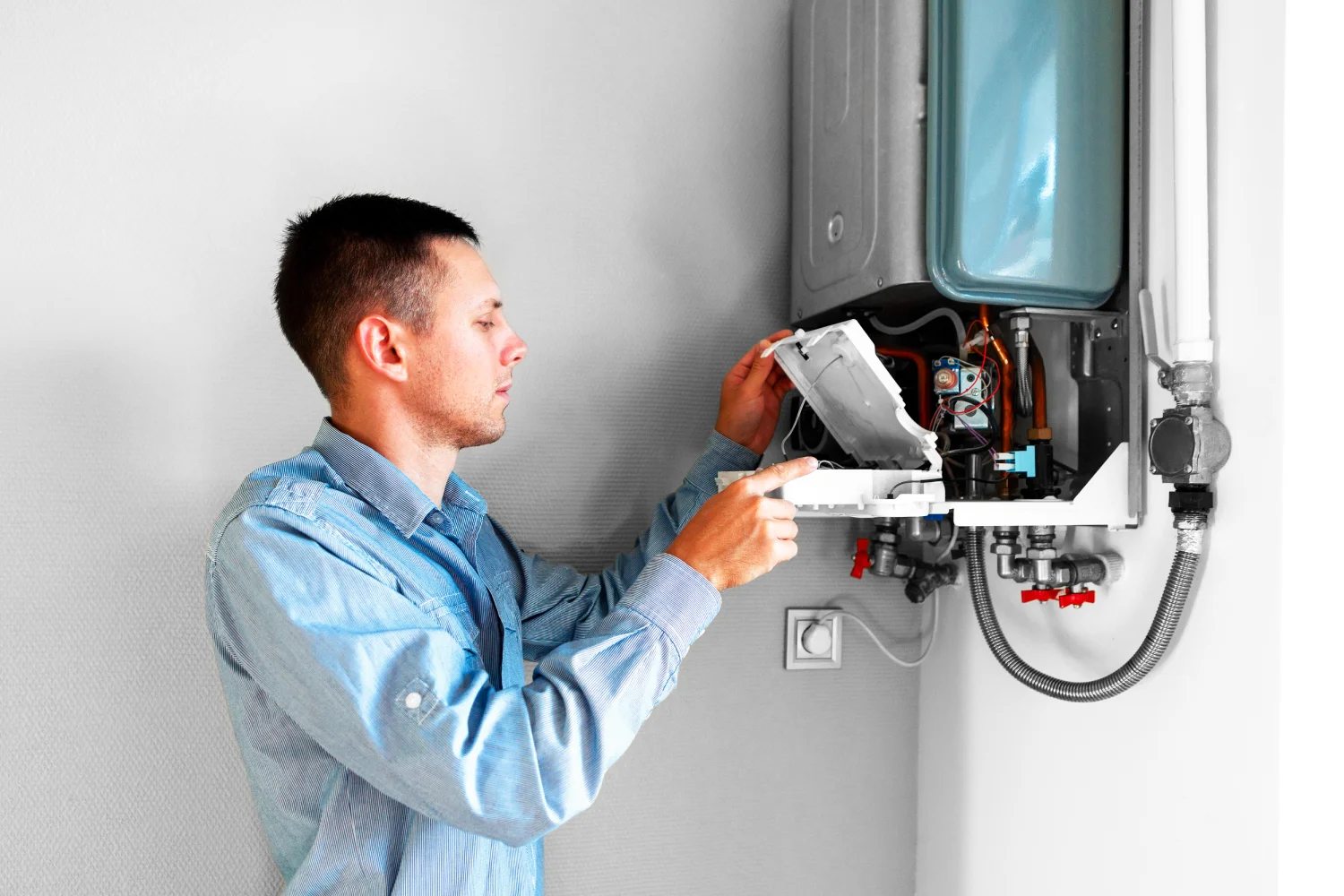
A qualified engineer can establish whether the issue is related to the boiler itself or the wider heating system.
For homeowners arranging boiler repair altrincham, explaining the symptoms clearly can also help the engineer understand what has changed and where to begin the assessment.
Can Sludge Cause Poor Heating Flow?
Yes.
Sludge forms when corrosion products and debris accumulate within a central heating system. It can settle in radiators and pipework, affecting water circulation.
One common symptom is a radiator that feels warmer at the top but remains noticeably cooler towards the bottom. However, other problems can create similar symptoms, so this should not be treated as a definitive diagnosis.
If contamination is suspected, an installer may assess the system and recommend appropriate cleaning.
The aim is to remove restrictions and restore more effective circulation, while also helping protect system components.
What About Microbore Pipework?
Microbore systems can be particularly sensitive to restrictions because they use smaller internal pipe diameters.
That does not mean microbore heating systems are inherently faulty. Many can operate effectively for years when correctly designed and maintained.
However, if deposits accumulate or a section becomes restricted, the available flow can be affected.
An engineer may therefore inspect accessible pipework, consider the system’s layout and assess the performance of individual radiators before recommending any alterations.
In some cases, the solution may involve cleaning or correcting one section rather than replacing the entire heating circuit.
Can Balancing Fix Uneven Heating?
Sometimes.
Balancing involves adjusting radiator flow so that heat is distributed more evenly around the property.
If radiators close to the boiler receive too much flow while more distant radiators receive too little, balancing can improve overall heating performance.
However, balancing cannot solve every problem.
If a pipe is physically restricted or a valve has failed, adjusting the system may not address the underlying fault.
An experienced engineer should therefore distinguish between a balancing issue and a genuine circulation restriction.
A Typical Altrincham Home Example
Consider a semi-detached property with an older central heating system. The homeowner notices that the downstairs radiators become hot quickly, while two upstairs radiators remain lukewarm.
The boiler appears to fire normally and the system pressure is within its expected range. After checking the radiators and valves, the engineer identifies a circulation issue affecting the upstairs circuit.
Further inspection reveals that an older section of pipework has restricted flow. Rather than replacing the boiler, the recommended solution focuses on the affected section and system balancing.
Once the work is completed and the heating circuit is recommissioned, the distribution of heat improves.
This is a useful example of why a heating fault should be diagnosed before a boiler is blamed.
Could Poor Flow Damage a Boiler?
Restricted circulation can place additional demands on parts of a heating system, depending on the nature and severity of the problem.
Modern boilers contain controls and safety mechanisms designed to manage operating conditions, but persistent system problems should still be investigated.
A boiler that repeatedly reaches temperature quickly, cycles unusually or operates alongside poor circulation may require professional assessment.
It is not sensible to assume that every unusual boiler behaviour is caused by a failed appliance. The heating circuit should be considered as part of the diagnosis.
Should You Repair the Pipework or Replace the Boiler?
The answer depends on the diagnosis.
If the boiler is functioning correctly and the main issue is restricted circulation, repairing or improving the affected pipework may be the more relevant solution.
If the boiler itself has a confirmed fault and is nearing the end of its useful service life, replacement may be considered instead.
There can also be situations where both the boiler and pipework require attention.
The important point is to avoid making the decision based on symptoms alone.
A professional assessment should establish:
- What has failed.
- Why it has failed.
- Whether the issue is isolated or part of a wider system problem.
- What repair options are available.
- Whether replacement offers a practical alternative.
Let’s get started, Which fuel powers your boiler?
Mains Gas
LPG
It just takes 60 Seconds
And then you can book a free consultation
What Can a Boiler Repair Visit Include?
A repair visit can vary depending on the symptoms and the findings.
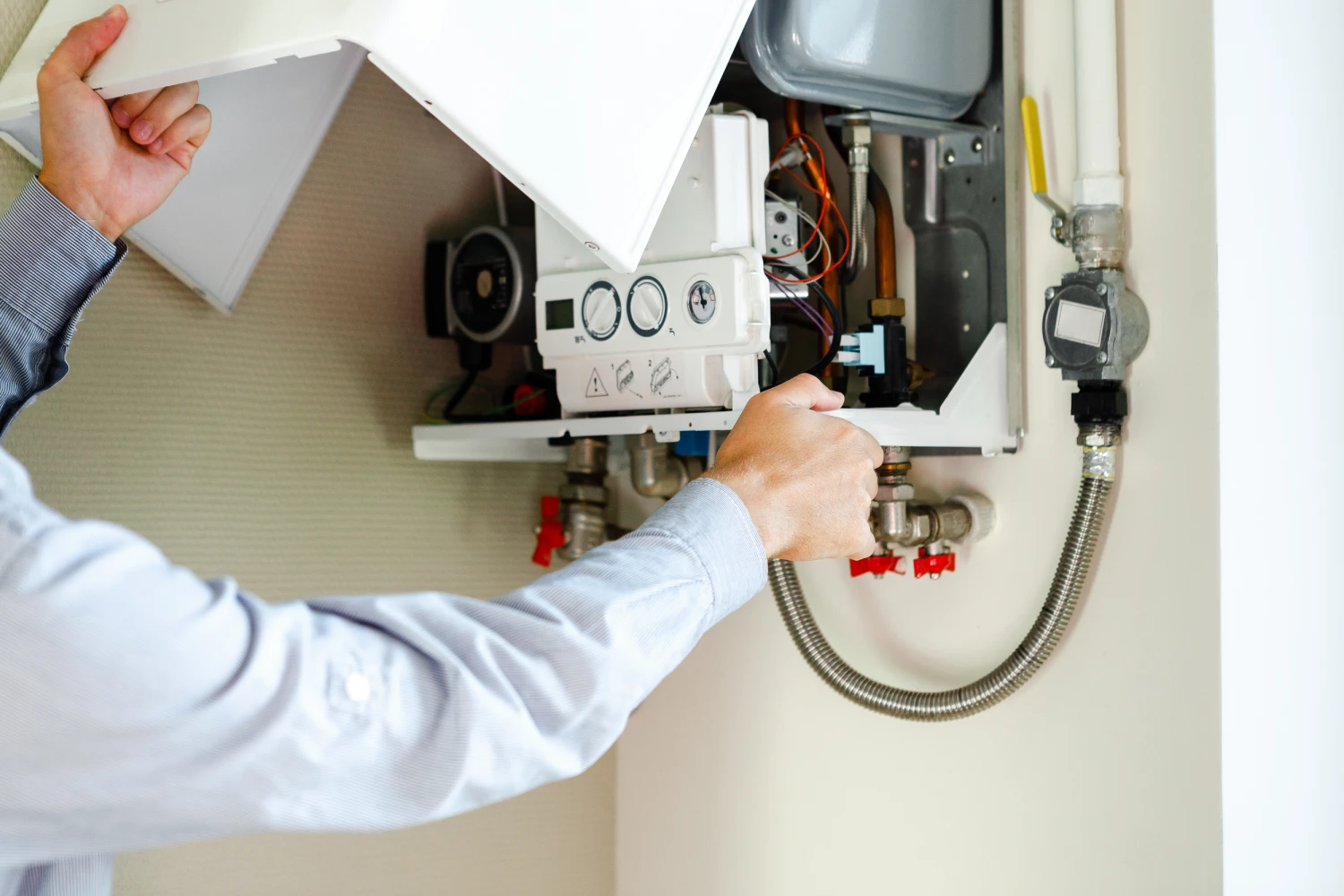
An engineer may inspect the boiler, check system pressure, assess controls, examine radiators and investigate circulation.
Where the boiler itself is suspected, diagnostic checks can help identify the relevant component or operating issue.
Where the boiler appears to be functioning normally, attention can then shift towards pipework, valves, circulation and system performance.
This approach helps ensure that the recommended work is connected to the actual fault rather than simply replacing a component because it is old.
How Can Homeowners Reduce the Risk of Repeated Heating Problems?
Regular servicing and appropriate system maintenance can help identify developing issues before they become more disruptive.
Useful measures include:
- Having the boiler serviced at appropriate intervals.
- Monitoring system pressure.
- Paying attention to recurring cold radiators.
- Addressing leaks promptly.
- Checking that radiator valves operate correctly.
- Seeking professional advice when heating performance changes.
- Avoiding repeated temporary fixes without investigating the underlying cause.
Small changes in heating performance can sometimes provide useful clues about developing system problems.
Conclusion
Poor heating flow does not automatically mean that the boiler has failed. Pipework restrictions, sludge, valves, balancing problems and circulation issues can all prevent heat from reaching radiators effectively.
The most sensible approach is to diagnose the complete system before deciding whether a boiler repair or replacement is required. This can help avoid unnecessary work and ensure the actual cause of the heating problem is addressed.
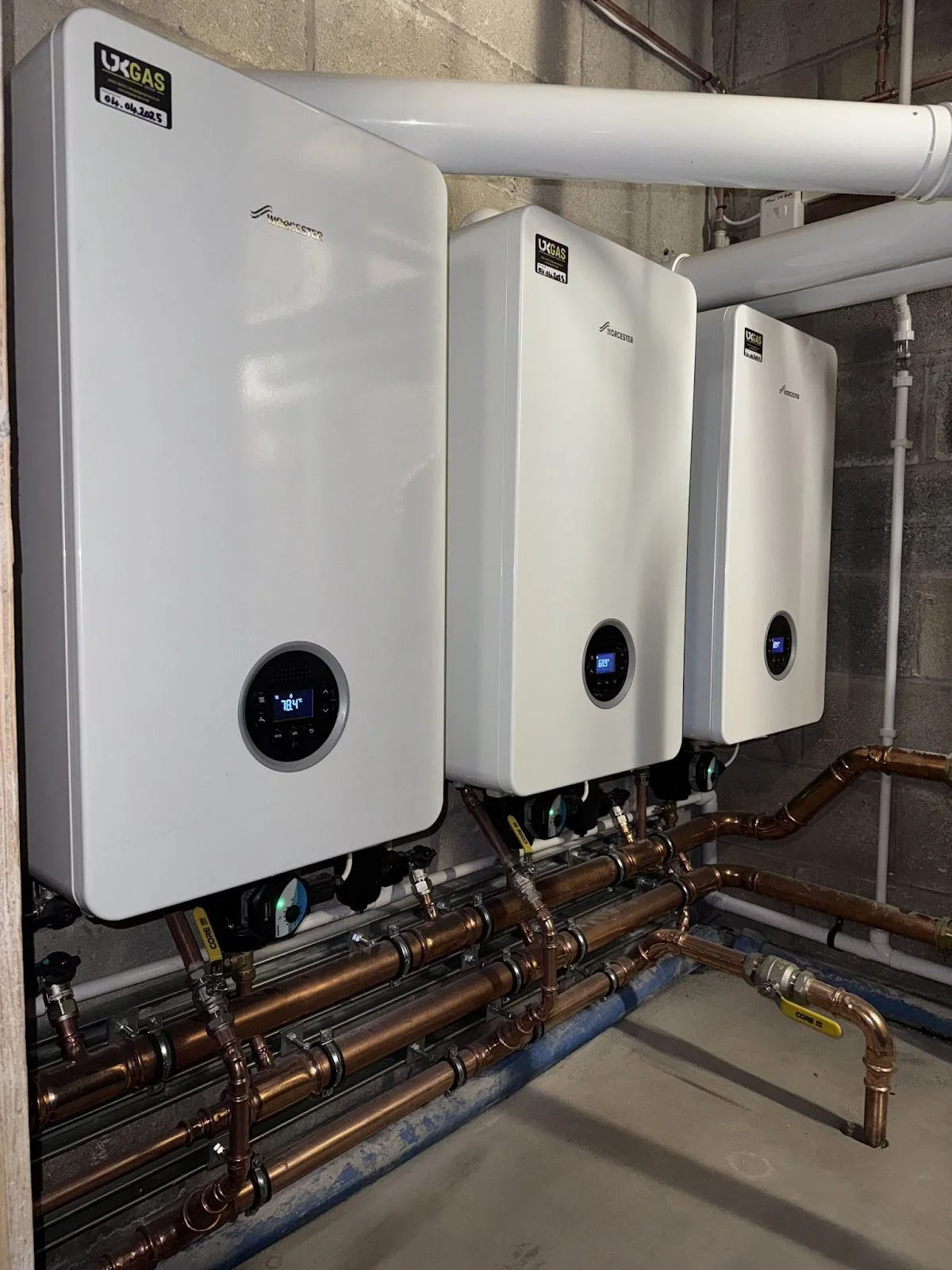
UK Gas Group can assess boiler and heating system problems and provide practical guidance based on the symptoms and condition of the installation. If your heating is not performing as it should, speak to our team for tailored advice.
Related articles
Let’s get started, Which fuel powers your boiler?
Mains Gas
LPG
At a glance
Introduction
When a radiator stays cold, takes too long to heat or only warms partially, it is easy to assume the boiler is failing. In reality, the boiler may be producing heat correctly while another part of the heating system is preventing that heat from reaching the radiator.
Pipework restrictions are one possible cause. Older systems can contain narrow sections, accumulated sludge, damaged connections or valves that restrict circulation. The result can look very similar to a boiler fault, particularly when several rooms are affected.
Understanding the difference matters because repeatedly repairing or replacing the boiler will not resolve a problem caused by restricted heating flow.
If you are looking for boiler repair altrincham homeowners should consider the whole heating system rather than focusing on the boiler alone.
What Does Poor Heating Flow Look Like?
Poor heating flow occurs when hot water does not circulate around the heating system as effectively as it should.
The symptoms can vary depending on where the restriction occurs. Common signs include:
- Some radiators heating while others remain cold.
- Radiators taking much longer to warm up.
- Radiators becoming warm only at the top or in isolated areas.
- One part of the property heating more effectively than another.
- Heating that works better when certain radiators are turned off.
- Unusual noises from radiators or pipework.
- The boiler operating but rooms remaining colder than expected.
These symptoms do not prove that pipework is at fault. Air, radiator valves, balancing issues, sludge, pump problems and controls can produce similar results.
The purpose of a professional assessment is to identify the actual cause before deciding what repair is needed.
Could the Boiler Be Working Normally?
Yes.
A boiler’s primary job is to heat water. Once that water enters the heating circuit, it needs to circulate through the pipework and radiators.
If the boiler is heating the water correctly but the circulation is restricted further along the system, the boiler may continue operating while certain radiators fail to receive enough heat.
This is why replacing the boiler is not always the appropriate response to poor radiator performance.
An installer or heating engineer can assess whether the boiler is reaching its expected operating conditions and then investigate the rest of the system if circulation appears to be the issue.
How Can Pipework Restrict Heating Flow?
Several factors can restrict the movement of water through a heating circuit.
Sludge and debris
Over time, corrosion within a heating system can create deposits that settle in radiators and pipework. These deposits can reduce the available passage for water.
Small-diameter pipework
Microbore systems use smaller pipes. They can work effectively, but restrictions can have a more noticeable effect where the pipework is already narrow.
Damaged or poorly made connections
A damaged connection or poorly configured section can interfere with circulation.
Excessive bends
The layout of pipework can influence resistance to flow, particularly where long runs contain numerous bends or changes in direction.
Faulty valves
A partially closed or defective valve can restrict flow to an individual radiator.
The right repair depends on which of these issues, if any, has actually been identified.
What Other Problems Can Look Like Poor Pipework Flow?
Not every cold radiator is caused by pipework.
A heating engineer may also consider:
|
Possible cause |
Typical indication |
|
Air in radiator |
Cold area near the top |
|
Sludge |
Cold area near the bottom |
|
Faulty thermostatic valve |
Individual radiator affected |
|
System imbalance |
Some radiators heat much faster |
|
Pump issue |
Wider circulation problems |
|
Low system pressure |
Boiler or heating system may operate incorrectly |
|
Controls fault |
Heating does not operate when expected |
|
Pipework restriction |
Persistent poor flow despite other checks |
This is why diagnosis is important.
A homeowner may reasonably notice that a radiator is cold, but identifying why it is cold requires looking at the complete heating system.
When Should You Call an Engineer?
If a heating problem persists after basic checks, professional assessment is sensible.
You should consider arranging an inspection when:
- Multiple radiators are consistently underheating.
- The heating has become noticeably less effective.
- A radiator remains cold after bleeding.
- The boiler appears to be working but rooms stay cold.
- The system makes unusual circulation noises.
- Heating performance changes when other radiators are turned on.
- The same problem repeatedly returns.
A qualified engineer can establish whether the issue is related to the boiler itself or the wider heating system.
For homeowners arranging boiler repair altrincham, explaining the symptoms clearly can also help the engineer understand what has changed and where to begin the assessment.
Can Sludge Cause Poor Heating Flow?
Yes.
Sludge forms when corrosion products and debris accumulate within a central heating system. It can settle in radiators and pipework, affecting water circulation.
One common symptom is a radiator that feels warmer at the top but remains noticeably cooler towards the bottom. However, other problems can create similar symptoms, so this should not be treated as a definitive diagnosis.
If contamination is suspected, an installer may assess the system and recommend appropriate cleaning.
The aim is to remove restrictions and restore more effective circulation, while also helping protect system components.
What About Microbore Pipework?
Microbore systems can be particularly sensitive to restrictions because they use smaller internal pipe diameters.
That does not mean microbore heating systems are inherently faulty. Many can operate effectively for years when correctly designed and maintained.
However, if deposits accumulate or a section becomes restricted, the available flow can be affected.
An engineer may therefore inspect accessible pipework, consider the system’s layout and assess the performance of individual radiators before recommending any alterations.
In some cases, the solution may involve cleaning or correcting one section rather than replacing the entire heating circuit.
Can Balancing Fix Uneven Heating?
Sometimes.
Balancing involves adjusting radiator flow so that heat is distributed more evenly around the property.
If radiators close to the boiler receive too much flow while more distant radiators receive too little, balancing can improve overall heating performance.
However, balancing cannot solve every problem.
If a pipe is physically restricted or a valve has failed, adjusting the system may not address the underlying fault.
An experienced engineer should therefore distinguish between a balancing issue and a genuine circulation restriction.
A Typical Altrincham Home Example
Consider a semi-detached property with an older central heating system. The homeowner notices that the downstairs radiators become hot quickly, while two upstairs radiators remain lukewarm.
The boiler appears to fire normally and the system pressure is within its expected range. After checking the radiators and valves, the engineer identifies a circulation issue affecting the upstairs circuit.
Further inspection reveals that an older section of pipework has restricted flow. Rather than replacing the boiler, the recommended solution focuses on the affected section and system balancing.
Once the work is completed and the heating circuit is recommissioned, the distribution of heat improves.
This is a useful example of why a heating fault should be diagnosed before a boiler is blamed.
Could Poor Flow Damage a Boiler?
Restricted circulation can place additional demands on parts of a heating system, depending on the nature and severity of the problem.
Modern boilers contain controls and safety mechanisms designed to manage operating conditions, but persistent system problems should still be investigated.
A boiler that repeatedly reaches temperature quickly, cycles unusually or operates alongside poor circulation may require professional assessment.
It is not sensible to assume that every unusual boiler behaviour is caused by a failed appliance. The heating circuit should be considered as part of the diagnosis.
Should You Repair the Pipework or Replace the Boiler?
The answer depends on the diagnosis.
If the boiler is functioning correctly and the main issue is restricted circulation, repairing or improving the affected pipework may be the more relevant solution.
If the boiler itself has a confirmed fault and is nearing the end of its useful service life, replacement may be considered instead.
There can also be situations where both the boiler and pipework require attention.
The important point is to avoid making the decision based on symptoms alone.
A professional assessment should establish:
- What has failed.
- Why it has failed.
- Whether the issue is isolated or part of a wider system problem.
- What repair options are available.
- Whether replacement offers a practical alternative.
Let’s get started, Which fuel powers your boiler?
Mains Gas
LPG
It just takes 60 Seconds
And then you can book a free consultation
What Can a Boiler Repair Visit Include?
A repair visit can vary depending on the symptoms and the findings.
An engineer may inspect the boiler, check system pressure, assess controls, examine radiators and investigate circulation.
Where the boiler itself is suspected, diagnostic checks can help identify the relevant component or operating issue.
Where the boiler appears to be functioning normally, attention can then shift towards pipework, valves, circulation and system performance.
This approach helps ensure that the recommended work is connected to the actual fault rather than simply replacing a component because it is old.
How Can Homeowners Reduce the Risk of Repeated Heating Problems?
Regular servicing and appropriate system maintenance can help identify developing issues before they become more disruptive.
Useful measures include:
- Having the boiler serviced at appropriate intervals.
- Monitoring system pressure.
- Paying attention to recurring cold radiators.
- Addressing leaks promptly.
- Checking that radiator valves operate correctly.
- Seeking professional advice when heating performance changes.
- Avoiding repeated temporary fixes without investigating the underlying cause.
Small changes in heating performance can sometimes provide useful clues about developing system problems.
Conclusion
Poor heating flow does not automatically mean that the boiler has failed. Pipework restrictions, sludge, valves, balancing problems and circulation issues can all prevent heat from reaching radiators effectively.
The most sensible approach is to diagnose the complete system before deciding whether a boiler repair or replacement is required. This can help avoid unnecessary work and ensure the actual cause of the heating problem is addressed.
UK Gas Group can assess boiler and heating system problems and provide practical guidance based on the symptoms and condition of the installation. If your heating is not performing as it should, speak to our team for tailored advice.