
How Much Does Air Conditioning Cost? Understanding System and Heating-Cooling Prices
Understand air conditioner costs, installation prices and heating-cooling options. Learn what affects your budget before choosing a suitable home system.

Why you can trust our content
We understand that the boiler industry can be confusing, with plenty of outdated or misleading information. That’s why we rely only on trusted, proven sources to guide our advice and installations:


At a glance
Introduction
The cost of installing air conditioning depends on more than the price displayed next to a unit. Equipment capacity, the number of rooms being conditioned, installation access and electrical requirements can all influence the final amount. Choosing a system that also provides heating introduces further considerations, particularly if you intend to use it throughout the year.
Understanding these costs before requesting quotations makes it easier to compare options and avoid unexpected expenses. A simple installation for one bedroom will usually involve different requirements from a multi-room system or a concealed ducted arrangement.
This guide explains the main factors that affect air conditioning prices, how heating and cooling systems compare, and what to check before committing to an installation.
What determines the cost of an air conditioning system?
The total price is influenced by the equipment you choose and the work required to install it correctly. Two properties with similar floor areas can have different installation costs because their layouts, electrical arrangements and access conditions may vary.
The most common factors include:
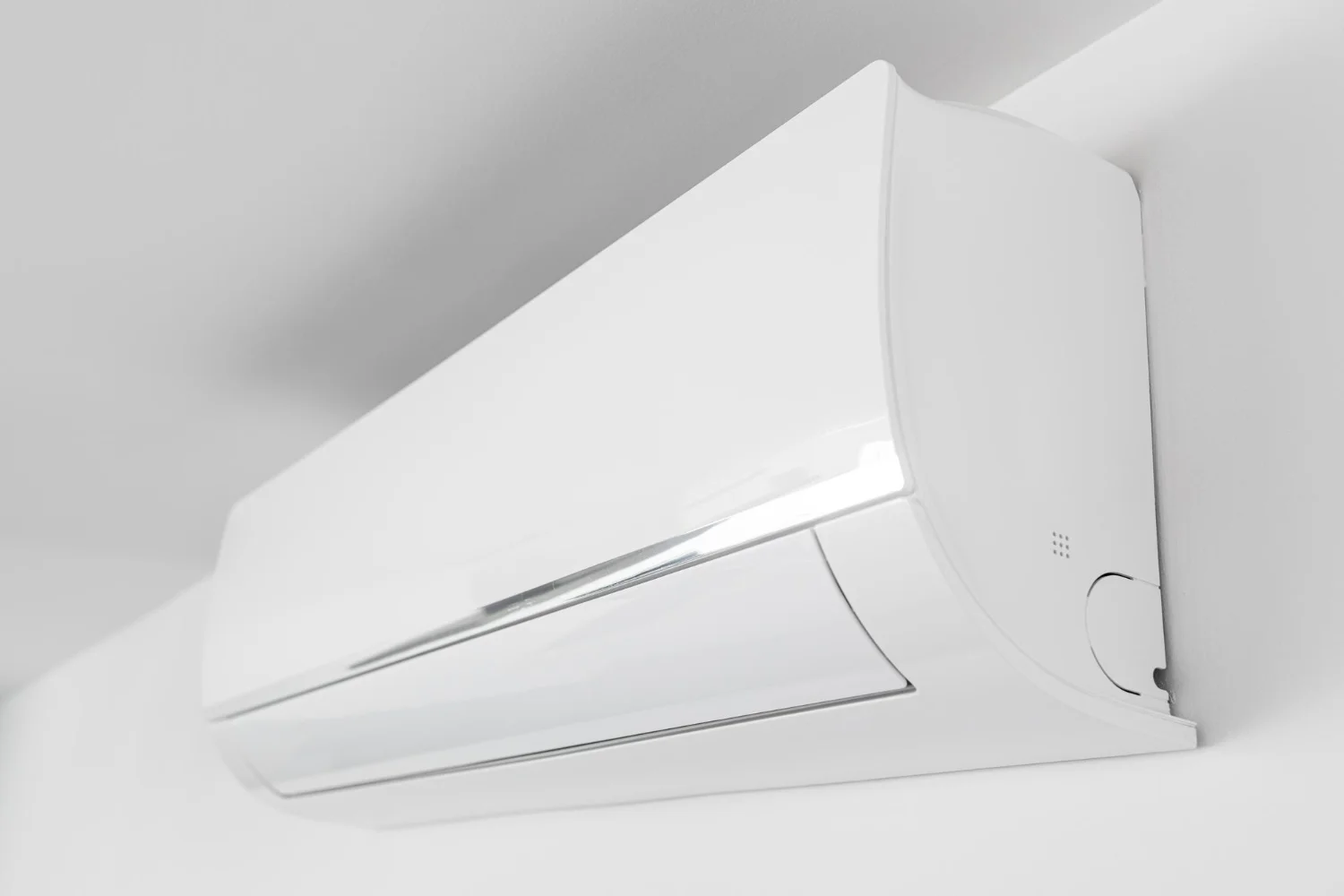
- System type: Wall-mounted split systems, multi-split systems and ducted systems have different equipment and installation requirements.
- Cooling capacity: The system must be sized to suit the room’s heat load.
- Number of rooms: Additional indoor units, controls and pipework can increase the total.
- Installation access: Difficult mounting locations or restricted access may require more labour.
- Pipework and drainage: The route between the units and the condensate discharge point affects the work involved.
- Electrical requirements: An existing supply may need changes to meet the equipment’s requirements.
- Finishing work: Trunking, access panels and building alterations can add to the overall price.
The most useful starting point is to establish which rooms need conditioning and whether you want cooling alone or heating as well. This gives an installer enough information to assess the likely system requirements.
How do prices vary between different air conditioning systems?
Different system types suit different properties, so comparing them means looking at both the initial installation and the way the equipment will be used.
| System type | Typical application | Main cost considerations |
|---|---|---|
| Single-split system | One bedroom, lounge or home office | One indoor unit, one outdoor unit and connecting pipework |
| Multi-split system | Several rooms requiring separate indoor units | Multiple indoor units, longer pipework and system design |
| Ducted air conditioning | Several rooms with concealed air distribution | Ductwork, outlets, access and possible building alterations |
| Portable air conditioner | Occasional cooling in a suitable room | Unit purchase, exhaust arrangements and operating costs |
A single-split system can be a practical choice when only one room needs cooling. A multi-split installation may suit a household that wants separate controls in several rooms, while ducted equipment can provide a more discreet appearance where there is enough space for concealed components.
Portable units avoid the need for a conventional fixed installation, but they have different performance and exhaust requirements. Their suitability depends on the room and the model selected.
There is no universally cheapest option once installation, running costs and the number of rooms involved are considered. The right comparison is between systems that can realistically meet your needs.
What is included in an air conditioning installation quote?
A quotation should explain the complete work rather than only identify the equipment being supplied. This helps you understand what you are paying for and identify any exclusions before the installation date.
A detailed quotation should normally identify:
- The make, model and capacity of the proposed equipment.
- The number and location of indoor and outdoor units.
- Installation labour and standard materials.
- The anticipated pipework and cable routes.
- Condensate drainage arrangements.
- Electrical work and any limitations.
- Testing and commissioning.
- Applicable equipment warranties and workmanship guarantees.
- Waste removal and finishing work, where included.
- VAT and any additional charges that may apply.
It is worth checking how the installer will handle unexpected work. For example, the existing electrical supply may need modification, or the planned pipework route may prove unsuitable once access has been assessed.
Ask for any proposed changes to be explained and agreed before additional costs are incurred.
If you are planning an installation, contact UK Gas Group Ltd to discuss your requirements and clarify which equipment and installation work should be included in your quotation.
How much does it cost to install heating and cooling?
The price of heating and cooling installation depends on whether the system is intended for one room, several rooms or a larger part of the property. The choice of equipment also matters because not every air conditioner provides heating.
Many fixed air conditioning systems use reverse-cycle heat pump technology. In cooling mode, they transfer heat out of the room. In heating mode, they transfer heat from outside into the building.
When comparing a heating and cooling system, consider the following cost elements.
| Cost element | What to check |
|---|---|
| Equipment specification | Confirm that the selected model provides both functions |
| Heating capacity | Check whether the system can meet the intended room’s heating demand |
| Installation work | Compare labour, materials and electrical requirements |
| Controls | Check whether timers, thermostats or zoning features are included |
| Running costs | Consider efficiency, electricity tariffs and likely usage |
| Maintenance | Understand the recommended servicing and filter-cleaning requirements |
A system that provides both heating and cooling may offer greater flexibility than a cooling-only unit. However, the initial cost should be weighed against how often each function will be used and whether the system is suitable for the intended space.
For example, a homeowner might choose a reverse-cycle unit for a home office that becomes hot in summer but is also used during colder months. Whether it can replace existing heating in that room depends on its capacity, the room’s heat loss and the building’s characteristics.
What affects the running cost after installation?
The purchase and installation price is only part of the overall cost of owning air conditioning. Electricity consumption depends on the system’s efficiency, the temperature difference between indoors and outdoors, the room’s heat gain and how long the equipment operates.
Several practical steps can help manage energy use:
- Choose equipment with suitable efficiency ratings for your intended use.
- Make sure the cooling or heating capacity matches the room.
- Set a comfortable temperature rather than an unnecessarily extreme one.
- Use timers or scheduling features where they suit your routine.
- Keep filters clean according to the manufacturer’s guidance.
- Close windows and external doors while the system is operating, where appropriate.
- Reduce avoidable heat gain through shading and sensible ventilation.
Inverter systems can vary compressor output to match demand, potentially improving efficiency and temperature stability. However, actual consumption depends on the equipment and conditions in which it operates.
For a realistic running-cost estimate, check the model’s technical information and consider the hours you expect to use it. A headline efficiency figure alone cannot predict the exact electricity bill.
Are cheaper air conditioning systems always better value?
A lower initial price may be attractive, but it does not automatically represent the best long-term choice. The equipment must be appropriate for the room and supported by an installation that meets the manufacturer’s requirements.
Before choosing a cheaper option, compare its cooling and heating performance, sound levels, controls, warranty conditions and maintenance requirements. Check whether the quotation includes commissioning and the necessary electrical and drainage work.
It is also important to distinguish between equipment-only prices and complete installation prices. An advertised unit may not include the labour, pipework, mounting materials or electrical changes needed to make it operational.
Speak to UK Gas Group Ltd about the system you are considering and ask for a clear breakdown of the proposed installation, including any work that falls outside the quoted price.
How can you budget for a new system?
A sensible budget begins with the rooms you want to condition and the performance you expect. This avoids comparing prices for systems that provide different levels of coverage.
Use the following checklist when preparing for quotations:
- Identify the rooms: Decide where cooling or heating would make the greatest difference.
- Describe how the spaces are used: Bedrooms, living rooms and home offices may have different requirements.
- Arrange an assessment: Ask the installer to consider room dimensions, sunlight, insulation and electrical arrangements.
- Compare complete quotations: Check equipment, labour, materials, commissioning and exclusions.
- Allow for additional work: Confirm whether electrical changes, access equipment or finishing work could increase the cost.
- Consider future use: Decide whether heating, multi-room control or other features are worth the additional investment.
Avoid selecting a system based solely on the lowest quotation. A properly sized unit and a clear installation plan are more useful than equipment that appears inexpensive but does not meet your requirements.
What questions should you ask before accepting a quote?
Before approving the work, make sure you understand exactly what will be installed and how the finished system should perform.
Useful questions include:
- Why is this equipment capacity suitable for my property?
- Does the quoted price include all standard installation materials?
- Is the electrical supply suitable for the proposed unit?
- How will condensate drainage be arranged?
- Are heating and cooling both available on this model?
- What testing and commissioning will be completed?
- Which equipment and workmanship warranties apply?
- What maintenance will be required after installation?
A professional installer should be able to explain the proposal clearly and identify any limitations. If an answer is unclear, ask for clarification before agreeing to the work.
Related articles





At a glance
Introduction
The cost of installing air conditioning depends on more than the price displayed next to a unit. Equipment capacity, the number of rooms being conditioned, installation access and electrical requirements can all influence the final amount. Choosing a system that also provides heating introduces further considerations, particularly if you intend to use it throughout the year.
Understanding these costs before requesting quotations makes it easier to compare options and avoid unexpected expenses. A simple installation for one bedroom will usually involve different requirements from a multi-room system or a concealed ducted arrangement.
This guide explains the main factors that affect air conditioning prices, how heating and cooling systems compare, and what to check before committing to an installation.
What determines the cost of an air conditioning system?
The total price is influenced by the equipment you choose and the work required to install it correctly. Two properties with similar floor areas can have different installation costs because their layouts, electrical arrangements and access conditions may vary.
The most common factors include:
- System type: Wall-mounted split systems, multi-split systems and ducted systems have different equipment and installation requirements.
- Cooling capacity: The system must be sized to suit the room’s heat load.
- Number of rooms: Additional indoor units, controls and pipework can increase the total.
- Installation access: Difficult mounting locations or restricted access may require more labour.
- Pipework and drainage: The route between the units and the condensate discharge point affects the work involved.
- Electrical requirements: An existing supply may need changes to meet the equipment’s requirements.
- Finishing work: Trunking, access panels and building alterations can add to the overall price.
The most useful starting point is to establish which rooms need conditioning and whether you want cooling alone or heating as well. This gives an installer enough information to assess the likely system requirements.
How do prices vary between different air conditioning systems?
Different system types suit different properties, so comparing them means looking at both the initial installation and the way the equipment will be used.
| System type | Typical application | Main cost considerations |
|---|---|---|
| Single-split system | One bedroom, lounge or home office | One indoor unit, one outdoor unit and connecting pipework |
| Multi-split system | Several rooms requiring separate indoor units | Multiple indoor units, longer pipework and system design |
| Ducted air conditioning | Several rooms with concealed air distribution | Ductwork, outlets, access and possible building alterations |
| Portable air conditioner | Occasional cooling in a suitable room | Unit purchase, exhaust arrangements and operating costs |
A single-split system can be a practical choice when only one room needs cooling. A multi-split installation may suit a household that wants separate controls in several rooms, while ducted equipment can provide a more discreet appearance where there is enough space for concealed components.
Portable units avoid the need for a conventional fixed installation, but they have different performance and exhaust requirements. Their suitability depends on the room and the model selected.
There is no universally cheapest option once installation, running costs and the number of rooms involved are considered. The right comparison is between systems that can realistically meet your needs.
What is included in an air conditioning installation quote?
A quotation should explain the complete work rather than only identify the equipment being supplied. This helps you understand what you are paying for and identify any exclusions before the installation date.
A detailed quotation should normally identify:
- The make, model and capacity of the proposed equipment.
- The number and location of indoor and outdoor units.
- Installation labour and standard materials.
- The anticipated pipework and cable routes.
- Condensate drainage arrangements.
- Electrical work and any limitations.
- Testing and commissioning.
- Applicable equipment warranties and workmanship guarantees.
- Waste removal and finishing work, where included.
- VAT and any additional charges that may apply.
It is worth checking how the installer will handle unexpected work. For example, the existing electrical supply may need modification, or the planned pipework route may prove unsuitable once access has been assessed.
Ask for any proposed changes to be explained and agreed before additional costs are incurred.
If you are planning an installation, contact UK Gas Group Ltd to discuss your requirements and clarify which equipment and installation work should be included in your quotation.
How much does it cost to install heating and cooling?
The price of heating and cooling installation depends on whether the system is intended for one room, several rooms or a larger part of the property. The choice of equipment also matters because not every air conditioner provides heating.
Many fixed air conditioning systems use reverse-cycle heat pump technology. In cooling mode, they transfer heat out of the room. In heating mode, they transfer heat from outside into the building.
When comparing a heating and cooling system, consider the following cost elements.
| Cost element | What to check |
|---|---|
| Equipment specification | Confirm that the selected model provides both functions |
| Heating capacity | Check whether the system can meet the intended room’s heating demand |
| Installation work | Compare labour, materials and electrical requirements |
| Controls | Check whether timers, thermostats or zoning features are included |
| Running costs | Consider efficiency, electricity tariffs and likely usage |
| Maintenance | Understand the recommended servicing and filter-cleaning requirements |
A system that provides both heating and cooling may offer greater flexibility than a cooling-only unit. However, the initial cost should be weighed against how often each function will be used and whether the system is suitable for the intended space.
For example, a homeowner might choose a reverse-cycle unit for a home office that becomes hot in summer but is also used during colder months. Whether it can replace existing heating in that room depends on its capacity, the room’s heat loss and the building’s characteristics.
What affects the running cost after installation?
The purchase and installation price is only part of the overall cost of owning air conditioning. Electricity consumption depends on the system’s efficiency, the temperature difference between indoors and outdoors, the room’s heat gain and how long the equipment operates.
Several practical steps can help manage energy use:
- Choose equipment with suitable efficiency ratings for your intended use.
- Make sure the cooling or heating capacity matches the room.
- Set a comfortable temperature rather than an unnecessarily extreme one.
- Use timers or scheduling features where they suit your routine.
- Keep filters clean according to the manufacturer’s guidance.
- Close windows and external doors while the system is operating, where appropriate.
- Reduce avoidable heat gain through shading and sensible ventilation.
Inverter systems can vary compressor output to match demand, potentially improving efficiency and temperature stability. However, actual consumption depends on the equipment and conditions in which it operates.
For a realistic running-cost estimate, check the model’s technical information and consider the hours you expect to use it. A headline efficiency figure alone cannot predict the exact electricity bill.
Are cheaper air conditioning systems always better value?
A lower initial price may be attractive, but it does not automatically represent the best long-term choice. The equipment must be appropriate for the room and supported by an installation that meets the manufacturer’s requirements.
Before choosing a cheaper option, compare its cooling and heating performance, sound levels, controls, warranty conditions and maintenance requirements. Check whether the quotation includes commissioning and the necessary electrical and drainage work.
It is also important to distinguish between equipment-only prices and complete installation prices. An advertised unit may not include the labour, pipework, mounting materials or electrical changes needed to make it operational.
Speak to UK Gas Group Ltd about the system you are considering and ask for a clear breakdown of the proposed installation, including any work that falls outside the quoted price.
How can you budget for a new system?
A sensible budget begins with the rooms you want to condition and the performance you expect. This avoids comparing prices for systems that provide different levels of coverage.
Use the following checklist when preparing for quotations:
- Identify the rooms: Decide where cooling or heating would make the greatest difference.
- Describe how the spaces are used: Bedrooms, living rooms and home offices may have different requirements.
- Arrange an assessment: Ask the installer to consider room dimensions, sunlight, insulation and electrical arrangements.
- Compare complete quotations: Check equipment, labour, materials, commissioning and exclusions.
- Allow for additional work: Confirm whether electrical changes, access equipment or finishing work could increase the cost.
- Consider future use: Decide whether heating, multi-room control or other features are worth the additional investment.
Avoid selecting a system based solely on the lowest quotation. A properly sized unit and a clear installation plan are more useful than equipment that appears inexpensive but does not meet your requirements.
What questions should you ask before accepting a quote?
Before approving the work, make sure you understand exactly what will be installed and how the finished system should perform.
Useful questions include:
- Why is this equipment capacity suitable for my property?
- Does the quoted price include all standard installation materials?
- Is the electrical supply suitable for the proposed unit?
- How will condensate drainage be arranged?
- Are heating and cooling both available on this model?
- What testing and commissioning will be completed?
- Which equipment and workmanship warranties apply?
- What maintenance will be required after installation?
A professional installer should be able to explain the proposal clearly and identify any limitations. If an answer is unclear, ask for clarification before agreeing to the work.